Phlegm and Celiac Disease

ILLUSTRATIONS BY RYAN SNOOK. PHOTOGRAPH BY JEFF MINTON (GROOMER: STEPHANIE NICOLE SMITH)

The year 2019 will be remembered for a lot of things, but one I will remember well is how many times I was sick with a respiratory cold last year. On hand, I have had 8-10 colds just last year alone starting in January. I went home to Ontario last Christmas and came back with a cold, this bugger did not go away for weeks. I was told by many patients and friends of mine in town that it is a longer cold and will go away soon, so beside what my conscious was telling me to do, I did not go see a doctor. Then I went to Arizona…almost missed my flight and had to run through the airport to catch the plane. This is when I thought to myself, something is terribly wrong.  It felt like I had a chunk of bubble gum stuck in my air passage, and I could not catch my breath through my nose or mouth. Coughed up a bunch of phlegm and kept running, because, I was NOT going to miss this flight. Long story short, I met a not so happy customs lady that clearly did not understand the words, “I have 10 minutes to get on my flight.” I got on the plane and had an amazing trip hiking, exploring and coughing up about 10 pounds of phlegm.

Why the drawn out story? Because I want you to learn from my mistake, if you have a productive cough for more then a week…go see a doctor! I got back from the trip, 5 weeks after the cold had begun, and was diagnosed with bronchitis. I have never had bronchitis before in my life. I was placed on two rounds of antibiotics, because the first round didn’t touch it; and I’m sure you can imagine how much my gut loved this…not really.
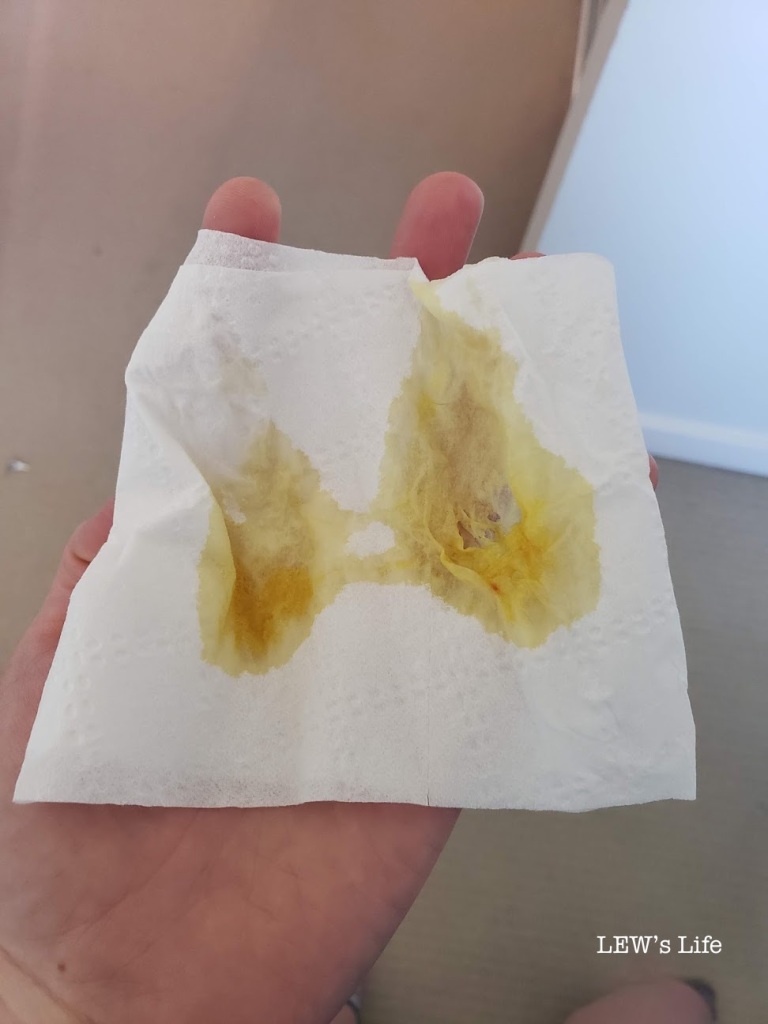
Gross photo, I know. This is what was coming out of my nose after getting back from Peru.

For 11 months after the first cold in January, that turned into bronchitis five weeks later, I have had cold after cold, and was lucky enough to come home with a souvenir from Peru, a sinus infection. I have woken up with phlegm in my throat and nose every morning since and have been woken up coughing in the night due to nasal drip. It was not until I decided to go back on the hypoallergenic diet for a month that I was finally phlegm free! Then I went back to eating grains, processed foods and a bit of dairy and, BAM, it was back. This had me thinking, can my gut health as a celiac (or those of you who are not celiac), have an effect on my respiratory system? 

Now, as celiac disease is an autoimmune disease of the small intestine and can indirectly effect the whole body, I knew I could not be far off with this assumption, considering 70-90% of your immune system is housed in your gut. So I started researching, and I am here to give you the results! Needless to say, I was right…

There have been many cases of people within the world with chronic pulmonary conditions, being diagnosed with celiac disease and after going on a gluten free diet, the pulmonary symptoms decreased and improved. Even though having respiratory issues with celiac disease is a rare case and is an atypical symptom, if you have a leaky gut (intestinal hyperpermeability), there is a chance your brain, lung tissue, skin and blood vessels are effected and can lead to edema in the body.

One of the top reason’s for repeat infections and illnesses of the respiratory tract such as pneumonia, bronchitis, and sinus infections could be due to damage of the gut lining. If your gut lining is damaged, your immune system is compromised and this can lead to development of any infection especially if you are exposed to bacteria and viruses.

Putting this into relation of a celiac, if we consume just a crumb of gluten, our gut lining will be damaged due to the villi flattening which in turn damages the immune system and can increase the likelihood of infections throughout the whole body, not just the respiratory system.

Another reason for infections of the respiratory system could be due to malnutrition that is commonly seen in inflamed celiac’s who have ingested gluten. If the villi are flattened in the small intestine, the vitamins, minerals and nutrients that are essential to help fight off infections will not be absorbed. 

One major nutrient that is typically not absorbed with celiac disease is iron. If iron is not being absorbed, anemia can occur within the body and if there is not enough red blood cells transferring enough oxygen in the body, people can feel short of breath even with minimal exertion. This is something I can relate to because one symptom that I experienced growing up was anemia; I was always short of breath. Today, knowing that I am celiac and eating a gluten free diet, I am happily no longer anemic after years of trying to correct it. Instead, I am on the boarder of no longer being iron deficient (yay!) and my iron levels are increasing due to a gluten free diet and my gut lining healing. 

However, I think why I am not 100% healed and having chest infection after chest infection along with many other symptoms in my body, is due to consistent accidental exposure to gluten when going out to eat and traveling. I know I have had gluten exposures because in the year 2019, the Tissue Transglutaminase Antibodies (tTG-IgA) in my blood have stayed high and the iron levels have been fluctuating all year.

Currently for the last 3 days, I have gone back on a grain free, dairy free and whole food diet (pretty much a paleo diet), and today I did not wake up having to clear my throat of phlegm in the morning! I am excited to see how many more lingering symptoms will decrease with this diet change.

It has been said that going on this type of diet helps to decrease inflammation within the body. However, doing this diet for a few days to a week will not be enough time to fully correct and heal your body. This is a diet that needs to be followed for 6 months to a year, because it takes this long for the gut lining to heal and function properly again.

In conclusion, 14-20 breaths a minute is normal, but if you have a chronic cough, constantly clearing your throat, or have post nasal drip, you may want to see if grains or gluten is the cause. This is not to say you have celiac disease but you may have some inflammation within your body that needs to be corrected and needs time to heal.

References: 

https://glutenfreern.com/the-relationship-between-the-respiratory-system-and-celiac-disease-ep028/

https://www.researchgate.net/publication/236066468_Hemoptysis_in_patients_of_celiac_disease_with_disproportionately_severe_anemia_Tip_of_the_iceberg

https://thorax.bmj.com/content/57/1/91

https://www.pediatriconcall.com/pediatric-journal/view/fulltext-articles/986/J/0/0/521/0

https://www.ncbi.nlm.nih.gov/pubmed/18603176

Please Keep This Disclaimer in Mind:

Articles are for educational purposes only and are not intended to diagnose, treat, cure or prevent diseases. We cannot and do not provide medical advice or specific advice on products related to treatments of a disease or illness.

You must not rely on the information on our website as an alternative to medical advice from your doctor or other professional healthcare providers.

You should never delay seeking medical advice, disregard medical advice or discontinue medical treatment because of information on our website.

It is your responsibility to consult with your professional health care providers before starting any diet changes, exercise or supplementation program, and before taking; varying the dosage and / or ceasing to take any medication.

We do not collect any personal information or store cookies.  You can turn off cookies on your web browsers.


New Year, New Me… Resolutions That Matter

“The only thing standing between you and your goal is the bullshit story you keep telling yourself as to why you can’t achieve it.”

– Jordan Belfort

As I am doing my best Leonardo DiCaprio impression from The Wolf of Wall Street movie, I thought starting and ending with a quote from there was a great way to start my first blog post in the new decade.

I love this time of the year because it always feels like a fresh new start. A new start to the year (or in this case, decade), can be taken as a time to worry over what had happened last year, and years before that, or look forward to what is to come this year and make it your best year yet. It is all a mind set, is the glass half full, or half empty? Or, is it just a glass of water?

It is so often that we will make a long list of goals and accomplishments, and become unmotivated or bored of them. So this year I am setting just four of them.

1) Keep wearing your heart on your sleeve, because that is who you are, but do not let it affect your mindset.

Last year I found myself overthinking about situations. Things such as: what someone had said to me, noticing people following and unfollowing or ‘de-friending’ me on social media platforms, not hearing from someone for a long time, and wondering if people still like me. It is not hard to say that I am, and always have been, a people pleaser. I care a lot about every living being that comes into my life, and this is probably part of the reason why I am so good at my job. 

However, you cannot make every person happy, and not everyone is going to like you because we all have different interests and ways of thinking. So, this year I am going to keep my heart on my sleeve, but I am going to be more mindful of what is worth getting worked up over and what I need to just let go. Because it is exhausting and causes unnecessary stress on your body which effects your overall health. So, smile and nod and accept the things you just cannot change.

Let go of things that cause you stress and ultimately, do not matter. If your future self won’t remember or care about what is going on right now, then it is not worth the energy and time of your present self.

2) Get back in the gym regularly, no matter how tired your body feels. You have a new training style to smash out for your half marathon this year.

For those of you who do not know, I have been spending the last three years healing my gut after a diagnosis of celiac disease. There are times my body feels very fatigued and sore, this could be due to residual inflammation or just because of how physical my job is. But none the less, I have slacked off on my usual routine of going to the gym and staying active. I have also found it very difficult to find the motivation to get back into routine. So to counteract this, I have done something I never thought I would do, which is sign up for a half marathon. I do not run long distances – but I knew this would be the perfect motivation as there is one thing about me I know for sure, and that is, I cannot give up.

If you are in a similar situation, maybe not being diagnosed with an autoimmune disease, but just lost motivation; start small and bring yourself back to a regular routine. Believe me, I know it’s hard, so maybe you need to do what I have done and sign up for something you need to work towards like a marathon, a sports team, crossfit, or some kind of physical competition like body building.

If that is not your forte, another idea that is quite successful, is to try getting a gym buddy. Typically if you have someone to commit to, you are more likely to go because you do not want to let them down.

Just rememeber, great things never come from comfort zones.

3) Do not make a new year’s resolution or monthly goal you cannot keep up with.

Every new year brings new resolutions, and we either keep up with them or we do not. I think the biggest reason as to why we loose motivation is the simple fact that we put too much pressure on ourselves. How many times have you given yourself a new years resolution that is not feasible? 

“I will loose 40 pounds this month.” “I will go to the gym every day, twice a day.” “I won’t eat sugar, carbs, meat, gluten, grains, caffeine, soy, corn, eggs, alcohol, or dairy for the rest of the year.”

The fact of the matter is, things change and unexpected outcomes happen. If you put too much pressure on yourself to accomplish goals that you cannot control or keep up with, you will feel defeated and you will give up too soon. How about instead of cutting out everything in kitchen, you try one or two items. Or! How about you do something new by thinking, ‘I will try a new food each week instead of cutting something out.’

Being a member of the celiac club, I do know a thing or two about elimination diets and cutting out foods that you may be intolerant or allergic to. That is clearly a different story if it is an allergy or autoimmune disease and you have to cut it out for your lifetime. But sometimes you can cut certain foods out for a few months until you are back to full health and try to reintroduce them to see if your body agrees with them.

It is a great idea to try something new and see if it works for you. However, do not put so much pressure on yourself to complete something everyday. Sometimes if you do not get around to it, you end up beating yourself up and in a negative mindset. This doesn’t get anyone anywhere. So try something new for a bit and if it does not make rainbows explode out of your butt like a unicorn’s, smile and move on to try something else.

4) Cash is King but your nutrition, health and mentality is the Emperor.

I may have to copyright this one, as I think it could be my best quote of 2020. Joking aside, I think this one is the most important for me this year.

In other words, if you work yourself to the bone and let your health go to the back burner, you will never succeed. Now, that is not to say that you can strive to be a couch potato and not work at all. There needs to be an equal amount of working hard and making your health a priority. By making something a priority, you make it something that has to be done and you make time for it. 

I have spent the last two weeks off from work with a staycation, and it has been exactly what I needed. I did not realize just how burnt out I was until I stopped. I have been sleeping better, my digestion is improving, energy is returning, I am able to get out of bed again, my body has had time to heal, and I’ve had the motivation to do things I have not done in a long time, such as the gym and reading.

On a regular basis I am bending over backwards for my career, extending my hours and taking time away from my own self care to make extra money. However, if you think about it, all of the extra income that you are making may eventually have to be used later in life for doctor visits, extended health and hospital visits. Also, not to mention, most of it ends up going to the tax man.

Therefore, my last and final resolution for this year is to make my health and wellness my top priority, by spending anywhere from 20-120 minutes a day in the gym, out in nature, traveling, meditating, reading, writing in my journal, making blog posts, self care, watching a movie, playing a video game, just basically anything and everything that does not have to do with work. Yes, I do not have any children or pets, but as I said, it is about making it a priority. You are the only person that can take care of yourself, and if you are not well, you cannot take care of anyone else to the best of your ability.

This will be the year of balance, a healthy lifestyle and leaping out of my comfort zone; all without unnecessary pressure on myself. 

“97% of the people who quit too soon are employed by the 3% who didn’t.”

– Jordan Belfort

Bring it on 2020.

LEW 

xxx


Foods that will worsen or improve menstrual cramps

It is 5 am, and you have just been woken up by a visit from mother nature and you feel as though there are 1000 kittens clawing at your insides. We have all been there one too many times, but did you know you could make this feel better or worse through diet?

From my research online, I am here to give you the coles notes version of which foods will make your time of the month, a walk in the park or like a snowball’s chance in hell.

Foods that will make matters worse:

Sugar: Yes, we all have the sugar crave around this time of the month. Fun fact, this is because our stress hormone, cortisol spikes just before our periods come and serotonin, our mood balancing hormone, tends to dip. This deadly combination results in cravings for sweets, carbs and fatty foods. However, eating this type of food will actually disrupt our natural blood sugar levels. With a spike in blood sugar levels, you will get higher mood swings and more tension within the body.

Refined Food and Processed Foods: First of all, refined foods have been highly processed so that the natural grain is no longer intact and stripped of all nutritional value. They include but are not limited to: white bread, white pasta, white rice, white sugar, breakfast cereals, and bagels. They are all simple carbohydrates and are hidden with a load of sugar, this is why our bodies crave it over and over again. It gives the body a quick huge spike in sugar and this is followed by an even larger crash. Same thing goes for processed foods such as cakes, cookies, crackers and chips. Due to how they are made and what they are made with, it will cause havoc within your body and therefore increase inflammation.

Fried foods: According to a study by the Department of Nutrition, University of North Carolina at Greensboro, fried foods such as pizza, fries, and donuts will all cause inflammation in the body, and this can be linked to an increase in period pain. I get it, we all need carbs at this time of the month, so maybe go for a piece of whole grain toast or 23g of carbs from a banana instead.

Saturated Fats: These consist of fatty cuts of meat, dark meat, high fat dairy foods, tropical oils such as: coconut oil, palm oil, and cocoa butter. Not only is high amounts of this food bad for your health, but they will cause inflammation within the body. As we already discussed above, an increase in inflammation will increase menstrual pain.

Dairy: I’m not bashing dairy, this is a great source of calcium, however, if you go over board on that block of cheese and all of a sudden there is only one slice left…you may be in trouble. According to Healthline, dairy can cause your menstrual pain to worsen due to the bloating, gas and diarrhea that it can cause within the body.

Fizzy drinks: This is due to the bloating and gas they can cause within the body, therefore, inflammation. This includes: pop, carbonated water, beer, and alcoholic drinks. This actually leads me to my next item on the list.

Alcohol: According to the New York Times, alcohol can make PMS symptoms worse and prolong the menstrual cramping. So it may be a good idea to put down that glass of red wine this week.

Tea and coffee: Due to the caffeine found in both of these lovely energy packed drinks, this can increase estrogen levels and therefore PMS symptoms.

Red Meat: Yes, we as women are often told to eat more of this to decrease anemia or iron deficiency. However, this is often loaded with saturated fat, and this can cause inflammation within the body, which in turn, can lead to cramps. Maybe opt the red meat out for a omega rich food such as salmon, as this has healthy nutrients your body needs. If you do not eat meat, dark  leafy greens it is!

Salt: Too much of something, is never a good thing, especially when this comes to salt. Too much salt will cause bloating and this will increase menstrual pain.

Legumes: Did you know beans can cause you to bloat, yup, this is the cause of the adverse reaction that will clear a room. So while on your period avoid beans such as black beans, chickpeas, kidney beans, lentils and peas.

What do all of these foods have in common? Inflammation – they are all infamous for causing inflammation in the body.  You are probably thinking…so what do you eat instead to decrease this lovely natural movement in the body?

Foods to eat to improve PMS and menstrual cramps:

Bananas: This magical fruit is amazing during that time of the month. Being rich in fibre will help to cause a bowel movement, which in turn will help decrease bloating and less pain. As an added bonus, they contain magnesium, this will help to relax the muscles from cramping. Just keep in mind that they do contain a lot of sugar so try to not go over board.

Lemons: They contain vitamin C and at this time of the month you want to get a lot of this in your diet. This being because vitamin C helps the body absorb iron better, and if you are absorbing iron better, you will have more energy. They also contain fibre and this will help with muscle spasms.

Oranges: This is the top food for anyone with period pain. Not only does it contain more vitamin C then lemons, it also contains magnesium, potassium, and vitamin D. All nutrients that will help your body through anything it may be battling.

Watermelon: This is a great fruit to consume during your time of the month because of how hydrating it is. Hydration is important to decrease muscle spasms along with the magnesium you can get from the other foods mentioned above. 

Broccoli: This is another great contender to battling menstrual cramps due to the iron and fibre it contains.

Kale: Another great food for the reasons similar to broccoli and other greens, this great leaf is amazing for boosting your immune system.

Drinks: Water, Chamomile, ginger tea, peppermint tea, raspberry leaf tea – all great for hydrating, decreasing bloating, soothing your bowels, and have anti-inflammatory properties.

So sticking to whole foods like fruit, vegetables, lean meats, and digestible grains can help to decrease the inflammation caused in the body. Whole foods contain nutrients that will help your nerves, hormones and muscles relax at this time of the month. This in turn, will help with all around health within your beautiful body.

References:

https://www.insider.com/foods-to-avoid-when-you-have-period-cramps-2018-5

https://flo.health/menstrual-cycle/health/cramps/foods-for-cramps-relief

https://www.huffingtonpost.com.au/2017/08/07/how-to-deal-with-period-cravings_a_23069359/

Please Keep This Disclaimer in Mind:

Articles are for educational purposes only and are not intended to diagnose, treat, cure or prevent diseases. We cannot and do not provide medical advice or specific advice on products related to treatments of a disease or illness.

You must not rely on the information on our website as an alternative to medical advice from your doctor or other professional healthcare providers.

You should never delay seeking medical advice, disregard medical advice or discontinue medical treatment because of information on our website.

It is your responsibility to consult with your professional health care providers before starting any diet changes, exercise or supplementation program, and before taking; varying the dosage and / or ceasing to take any medication.

We do not collect any personal information or store cookies.  You can turn off cookies on your web browsers.


Part 3: My first accidental exposure to gluten that lead to a gastroscopy

Have you ever wondered what it would be like to eat gluten again? I was accidentally exposed to gluten at a restaurant, and I can tell you that I never want this to happen again. This was my realization that I am 100% celiac, especially with how quickly my body reacted to it and for how long the symptoms stuck around for afterwards. Here is my story of being given gluten and how it brought me to doing the gastroscopy.

Just over a year of being gluten free, I went to a restaurant and ordered a gluten free panini. I told the server that it was for a celiac and to tell the chef to be careful with cross contamination. I saw her write celiac down and I then took a seat waiting for the food to be brought to me. It wasn’t until this day that I truly believed I was a celiac. I bit into the sandwich and I remember looking up at my friend and saying, “I sure hope this is gluten free,” because it tasted very strange to me. I ate the whole thing, and twenty minutes later I had major brain fog, a headache and nausea, and I was fighting to keep the food down. Then forty minutes later I had to find a toilet as I was puking and shortly after having very sharp pains in my gut. It felt as though I had eaten a bucket of razor blades. I then had a month or more of bloating, brain fog, sharp pains in my gut, muscle and joint pain, vision problems, hair loss, dermatitis herpetiformis, rashes and acne, decreased appetite, lack of sleep, menstrual pain and PMS, sadness, anxiety, irritation, I found it hard to breathe, and anything I ate or drank caused my stomach to bloat and hurt even more. 

The first photo to the left is a photo of the cystic acne that can occur with gluten exposure. The photo on the right, which also shows up on my upper arms, is a photo of one cheek from my buttocks with another form of dermatitis herpetiformis (I showed what happens with my hands in my blog, “Part one“). Both of these photos have been taken in the last year, and both of these conditions I had back in high school as well.

I finally went to see my doctor a month after eating the sandwich wondering what had happened. We did the blood test and my antibodies were right back up to greater then 300 (they should be less then 12). It took me 8 months to recover and feel like a human again and another 4 months to be my 100% normal self. All from eating one sandwich that was made with the wrong bread. From this moment on I had to go in every 3 months to have blood taken to test my iron levels and tTG levels, and the results were sent to a gastroenterologist and my family doctor. 

I think it bothered me more that the chef of the restaurant didn’t seem to care, I got a ‘copy and paste’ response from him with no apology. He blamed his front staff for not telling me about cross contamination possibilities but I explained that this was not just cross contamination, this was giving me the completely wrong bread. I found out later that three more celiac’s went to his restaurant and also became sick after my experience, which of course left me livid. However, from this experience and others over the last three years, I have now learned what it is like to fully eat something that is made with gluten and eat something that has been cross contaminated. 

A product that is made with gluten: you will know and taste the difference, and you will have an autoimmune reaction right away (as I mentioned at the beginning of this blog). It will make you awfully sick for months (mine lasted 8-12 months), and it may even bump back your intestinal healing time by a few months or years.

A product that has been cross contaminated with gluten: unfortunately, you cannot taste this. You may have symptoms of bloating, headaches or any of the other typical symptoms of celiac disease, the day of or a few days later. The bloating from my last cross contamination experience lasted 3-4 days but some other physical symptoms of rashes, acne, dermatitis herpetiformis, constipation and diarrhea, many toilet visits, and not to mention the mental side of aggravation, anxiety, sleepless nights, and depression (to name a few) lasted about 2-3 months after exposure.

The photos on top is after a weekend away being cross contaminated with gluten while eating out. The photos on the bottom is just three days after with a huge improvement in the bloat but not feeling 100% (I am completely relaxed in all photos).

For the first two and a half years after being diagnosed, I was only a celiac through a blood test. To be a “true celiac” you have to be diagnosed through a biopsy. In order to have a biopsy, you have to be referred to a gastroenterologist, and here in some parts of Canada it takes two years to get in to see one. Which means you will go two years of eating gluten free and then have to do the ‘gluten challenge’ and reintroduce it into your body for six weeks before the biopsy so there is a positive to the test if you are truly celiac.

One year after eating the sandwich and four blood tests later, my tTG levels were sticking around forty and I received a call to see the gastroenterologist and have the biopsy done. After review of my blood tests, she decided to not have me eat gluten before the test as she wanted to see if I was consuming gluten from something that may contain it without me knowing. She also said because of how high my blood levels were, she had no doubt in her mind that I was a celiac and did not want to put me through six weeks of eating my kryptonite (I dodged a serious bullet there). To add, I was sent home with a crohn’s disease home kit to rule this out, and this thankfully, came back negative. 

The Biopsy…

First of all, there are two types of biopsies. A gastroscopy (or endoscopy), is through the mouth and down into the small intestine, and a colonoscopy, is up the rectum and usually used to take a sample of the large intestine but can also be used for samples of the small intestine. What I had done, was a gastroscopy.

The day of the biopsy came and I was a bundle of nerves, not just because this is minor surgery, but mostly because this would be the true test to confirm if I was a celiac, and if it did come back positive, this meant I was still eating gluten somehow. 

The process of the biopsy was nothing to be worried about, you are called in and asked to put on a hospital gown. Then the nurse comes back in and answers any questions you may have and informs you that you cannot drive or make any legal decisions for twenty-four hours after the surgery. The IV is placed in about thirty minutes before you are brought into the operation room, where doctor will ask if you have any questions and ask if it is common for you to have a reactive gag reflex (because if you do, they have a liquid that can be sprayed to the back of the throat to stop this). You are then put under conscious sedation. 

A photo of me after the biopsy was finished; happier than a pig in shit…pun intended.

With my experience, I woke up choking (I did not get the spray because this would have been another hour of sticking around at the hospital after), but I only remember seeing a blurred vision of the video footage of my insides, and then fell back to sleep. I woke up feeling really rested and just a bit sore in my abdomen when I tried to sit up. I also had a sore throat. The nurse gave me a drink and a gluten free snack and checked everything was okay, and told me the doctor did not see anything relevant to the eye, but a few biopsy samples had been taken. She told me the doctor would be calling me in two weeks with my results. I got dressed and my ride came to pick me up, then I was homebound. I remember having a sore throat and abdomen when I would eat just for a few days after, and tired just one day after.

Two weeks later the doctor called and I found out that I was indeed consuming gluten from somewhere, and was officially diagnosed with celiac disease. Parts of my biopsy showed the damaged villi in my small intestine, which indicated gluten consumption and celiac disease.

To this day, I still have digestive issues including constipation, diarrhoea and everything in-between. This included colour and consistency issues of the stool, going to the bathroom 3-5 times in the morning from the moment I wake up, and after I eat, and to top it off, some foods come out undigested. I also have other symptoms, including brain fog, headaches, rashes and acne, hair loss, feeling dizzy when getting up from a seated position, bloating (to the point that I look 4 months pregnant), sleepless nights, insomnia (only had this happened once in the last few months), waking up in a sweat, menstrual pain (only once), hormonal imbalances, and bad PMS. I should also mention that in the last year I have had 8-10 colds, one of which turned into bronchitis and another a sinus infection; that means three rounds of antibiotics just this year. I have been waking up with phlegm in my throat and left lung everyday this year, except one month when I decided to go back on the hypoallergenic diet I spoke about in my last blog post. 

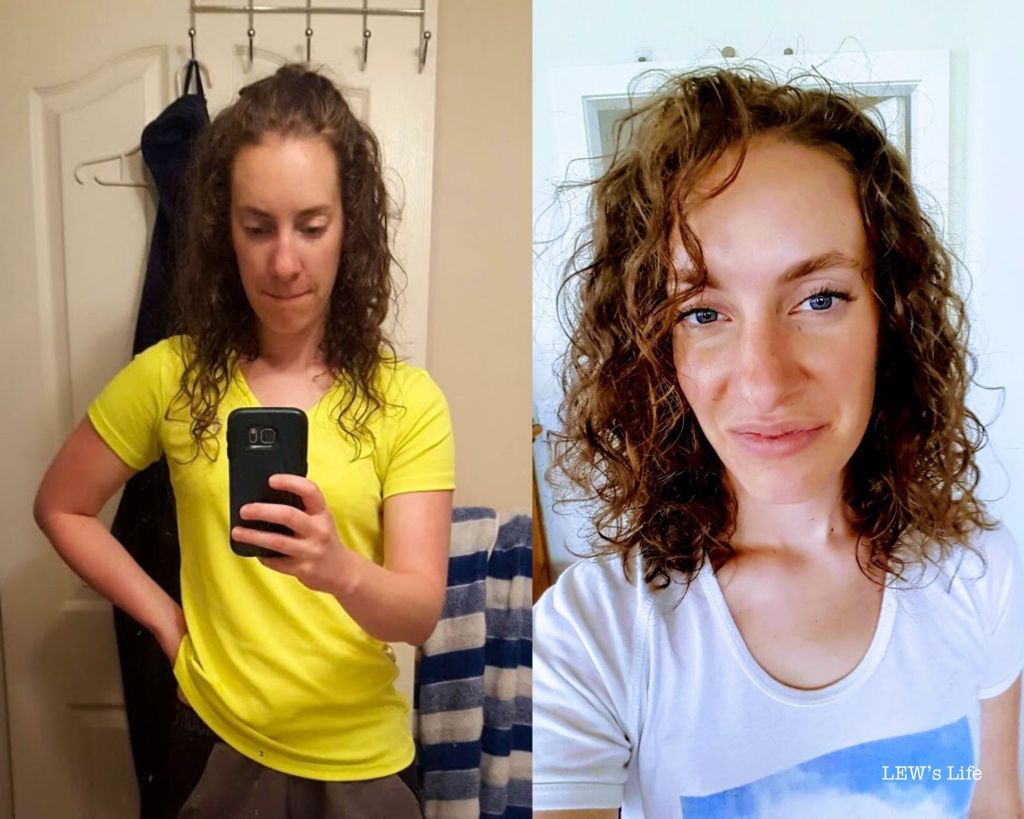
Photo on the left is a photo of me in June 2018, one and a half years after diagnosis with a huge amount of hair growth on the bottom of my head (you can see in the photo how much thicker my hair was by my shoulders). Photo on the right is me in Aug 2018, with my hair chopped to the new growth length.

So why do I still have symptoms even with being 100% gluten free? It could be because my gut is still healing after many years of eating something I should not have been. Research does state that it can take anywhere from 6 months to 5 years for the intestinal lining to heal after an exposure to gluten. It can also be due to little micro cross contamination exposures with going out to eat at restaurants and processed foods made in a facility that contains gluten, as everything else in my life I know for sure is gluten free. I have even started to switch over to gluten free beauty products such as toothpaste, make up, shampoos and conditioner and soaps. 

January 2020 will be the third anniversary of my diagnosis, and there is still a lot of learning and researching to do. But I am excited to share my path through this new gluten free lifestyle that I am grateful for, because I can finally start healing and help other people while I am at it, via this blog. 

The healing process of celiac disease can be very frustrating and may be a longer process then expected. However, this does not mean that it will never happen; learn as much as you can and never loose belief that you can do this. 

Until next week my friends,

LEW 

xxx

Please Keep This Disclaimer in Mind:

Articles are for educational purposes only and are not intended to diagnose, treat, cure or prevent diseases. We cannot and do not provide medical advice or specific advice on products related to treatments of a disease or illness.

You must not rely on the information on our website as an alternative to medical advice from your doctor or other professional healthcare providers.

You should never delay seeking medical advice, disregard medical advice or discontinue medical treatment because of information on our website.

It is your responsibility to consult with your professional health care providers before starting any diet changes, exercise or supplementation program, and before taking; varying the dosage and / or ceasing to take any medication.

We do not collect any personal information or store cookies.  You can turn off cookies on your web browsers.


Part 2: The first year after diagnosis

There was so much to cover over the past three years, I naively thought I could fit it all into one blog post. I will have to make this a three part story. I did my best to stick to the important information and the other details I will cover in posts to follow. The following is my life one year after diagnosis.

I will say this over and over again, time flies. I cannot believe it has been three years since I have been diagnosed with celiac disease. In that three years, I have been on a huge roller coaster ride of emotions, different levels of motivation, and physical symptoms. This disease does not just affect us physically; personally, I think it hit me harder emotionally.

I have spent three years dissecting, stitching up and then re-dissecting myself. In that time, I have read and researched about celiac disease for hours on end. What are the symptoms and is it normal to be experiencing what I am? How many people have it? Is there a cure? How long do the symptoms last? If I eat gluten, how long until I feel normal again? How can you become cross contaminated? Why is my hair falling out? What is happening with my hormones? Why do I have a rash on my skin years after being gluten free? Why can’t I get out of bed? Where has my motivation gone?

I have done what we all do and went down the worm hole of Dr. Google, time and time again. This, my friends, is why I have started a blog. I have done all the research for you, and I am ready to share my story with the world. Mostly because, it has been three years of being gluten free, and I still have symptoms. I’m tired of being sick and people not fully understanding the specific details of celiac disease.

Three years ago after I was diagnosed…

I left that doctors office feeling relieved, with a pep with my step; finally a reason as to why I was not feeling well for the last six months. However, once I started researching, I realized it was not just a reason for the last six months, but explained what I thought were normal symptoms in my life up until now.

I remember siting back and thinking, where do I start? 

So, I started by cleaning out my cupboards of everything that had gluten, cleaned every inch of the kitchen, and headed to the grocery store. I went from shopping for 20 minutes to 2 hours because I was reading every label so closely and could not believe that gluten was literally in EVERYTHING. It took some time but I have now found a groove in the grocery stores and I am back to shopping in under 30 minutes.

About 6-7 months after diagnosis, I felt somewhat better but still had symptoms, so I decided to go see a naturopath. He decided to do a SIBO (small intestinal bacterial overgrowth) test on me where I had to fast the night before and drink a liquid the next morning before I started the test. I had to then breathe into multiple test tubes every 10-20 minutes for about 2-3 hours. We discovered that I was high in both hydrogen and methane gas values which meant there was a bacterial overgrowth present in the small intestine. This means that bacteria which normally grows in other parts of the gut, like the large intestine, start growing in the small intestine. This will then cause pain and diarrhea and it can also lead to malnutrition as the bacteria start to use up the body’s nutrients. Therefore, I was then placed on a really expensive prescription drug and a SIBO tincture that he gave me. 

I emailed my naturopath to find out exactly what we did and this is what he responded: “We started with the SIBO tincture which is a combination of hyrastis, commiphora, and thyme.  We did that for four weeks followed by restoran 0.5 mg which is a prokinetic, meaning it keeps your bowels moving in the right direction to prevent recurrence.  There are prescription options (rifaximin and neomycin) which I will sometimes used when merited, but I don’t believe we did that with you.”  

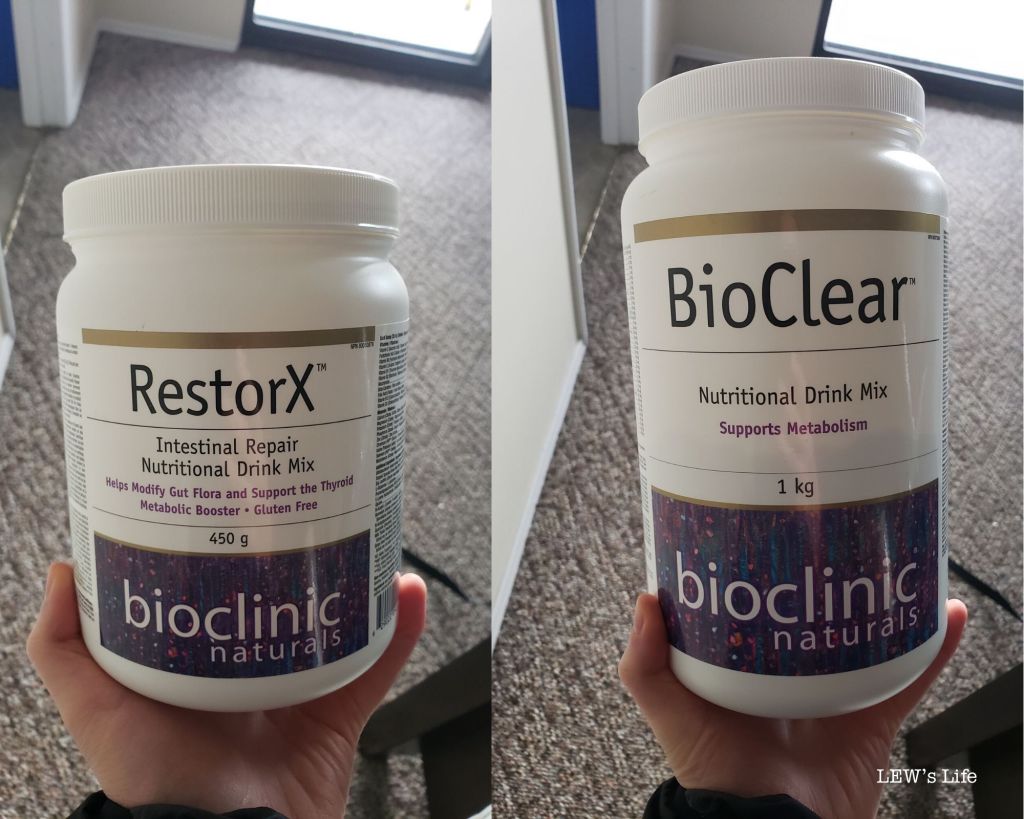
I remember feeling better after this treatment, so we started the next step which was a hypoallergenic diet. For three weeks I had to cut out processed sugar – some fruits were okay, grains, dairy, soy, peanuts, meats such as pork, beef and some fish, alcohol, sodas, coffee and tea (except herbal), some condiments and all processed foods. I was able to eat some fruits, vegetables, some meats and fish, all nuts and seeds except peanuts, potatoes, sweet potatoes and squashes, beans and legumes, milk substitutes (almond milk, etc.), and some oils and spices. Along with the diet, I was taking two supplement powders, one which was for gut healing (RestorX) and the other which was packed full of nutrients (Bioclear).

This was SO DIFFICULT. I remember the first week basically going through what I imagined was withdrawal symptoms. I had headaches, rashes, brain fog, hunger, emotions, and cravings – all of the cravings. However, once I got through the first seven days, I kid you not, I felt amazing.  I have never in my life felt as good as I did then, and I thought to myself…this is what it feels like to be normal. So, I continued with the diet for another few weeks longer then I needed to. I had more energy, I could think straight, bowel movements were regular and normal, rashes were gone, no anxiety or emotional upset, my hair was growing back, I was sleeping better, no muscle or joint pain (this helped me perform better at the gym); I felt like a super hero. 

It was not until I started eating dairy, processed foods and grains again that symptoms returned, even though I was gluten free. I remember eating a piece of cheese for the first time after cutting it out for a month and having sharp pains in my gut from it. I have never had trouble with it before. Just like the time I came home from Costa Rica, two weeks of eating fresh and unprocessed foods, and eating gluten free bread again and instantly having sharp pains in my gut. At the time, I did not think much of it, but about 2 years later, I then started to research why this would be. 

Fun facts: I now know that some naturally gluten free grains and products that are labeled gluten free (without being certified gluten free) may contain gluten depending where they are processed. Also, the Canadian government, the FDA and other governments around the world, allows 20 parts per million or less of gluten in “gluten free products” because research says that this is apparently safe for celiacs. Personally, I am still not convinced of this. This means that products can be made with gluten, but processed to have the gluten removed…think about this, some products are made with gluten and then processed in a way to have the gluten ‘removed’, which means it could technically still contain gluten of 20 parts per million or less.

No wonder three years later I still do not feel great and my tTG blood levels are still high. This subject alone is going to be one of my blog posts in the future, as I feel this criteria needs to change. It even says on the FDA website, “This level is the lowest that can be reliably detected in foods using scientifically validated analytical methods. Other countries and international bodies use these same criteria, as most people with celiac disease can tolerate foods with very small amounts of gluten.” This means that not all celiacs can take this small amount of gluten in their systems.

Australia and New Zealand have the toughest labeling laws in the world, stating that absolutely no detectable gluten can be found in any gluten free products. Since setting this standard, there has been an increase in improved health across the two countries. I plan to write a blog post about this subject in more detail later on. More information on the FDA guidelines can be found here, https://www.fda.gov/food/nutrition-education-resources-materials/gluten-and-food-labeling.

Three months after diagnosis in Costa Rica, I can hardly recognize myself in this photo to what I look like now. My body was healing here, but I felt so much better.

Through trial and error you do start to learn what to do and what not to do, what to look out for and what to avoid. As an example, three months after my diagnosis I went to Costa Rica and while I was there I definitely ate gluten by something as simple as eating the peanut butter that had knives dipped in it after it was spread on toast and then placed back in the peanut butter. I then spread that same peanut butter onto my banana. I was instantly bloated and uncomfortable. Another example was taking a bit of a curry from a friends plate, which had naan bread dipped in it; this made me sick and uncomfortable for a week or two following this. Specific details as small as they may seem, you will learn very quickly.

Next week will be part three of my story; what happened when I accidentally ate gluten again, my biopsy experience and what I will be doing now over the next year to heal my gut.

Please always keep in mind that what I write about is my own personal experience. What I experience may be different from what you will experience. There was no partnership with any products mentioned, they worked for me and may or may not work for you. As always, consult with your healthcare practitioner before starting anything new.

With love, be kind to yourself,

LEW xxx

Please Keep This Disclaimer in Mind:

Articles are for educational purposes only and are not intended to diagnose, treat, cure or prevent diseases. We cannot and do not provide medical advice or specific advice on products related to treatments of a disease or illness.

You must not rely on the information on our website as an alternative to medical advice from your doctor or other professional healthcare providers.

You should never delay seeking medical advice, disregard medical advice or discontinue medical treatment because of information on our website.

It is your responsibility to consult with your professional health care providers before starting any diet changes, exercise or supplementation program, and before taking; varying the dosage and / or ceasing to take any medication.

We do not collect any personal information or store cookies.  You can turn off cookies on your web browsers.


Why Should I Travel?

The real question is, why shouldn’t you? I have always been an explorer and adventurer since I was very young. You could always find me in the conservation park in my neighbourhood or biking all over town. Then once I got my license to drive, I could reach more places to explore in the beautiful Canadian province of Ontario.

It wasn’t until I went on my first all inclusive trip to Mexico, that my mind and soul was awoken to the possibilities and different cultures that I strive to visit to this day. Needless to say, I caught the travel bug.

Since that trip I told myself I would go somewhere new every year. This expanded to Cuba the following year then the Dominican Republic and Newfoundland the next year after that. I then moved to British Columbia and recently have been going on more adventure like trips to Nepal, Thailand, the States, Costa Rica, and England. I CANNOT wait for the next country to explore.

This travel bug becomes a part of you because you are not just seeing a new place. You are learning new cultures, architecture, language, habitats, greenery, mountain ranges, rolling hills, smells, sounds, senses, your taste buds come alive with different food, you meet so many new and amazing people, you learn about history, and experience the wonders of the world first hand!

I read a quote quite a few years ago that was so close and true to my heart. 

“Traveling – it leaves you speechless, then turns you into a story teller.”

– Ibn Battuta

This is exactly what I plan to do, become a story teller. Stick around for the epic travels I have been on and the next ones I cannot wait to experience.

Now, get out there and explore!


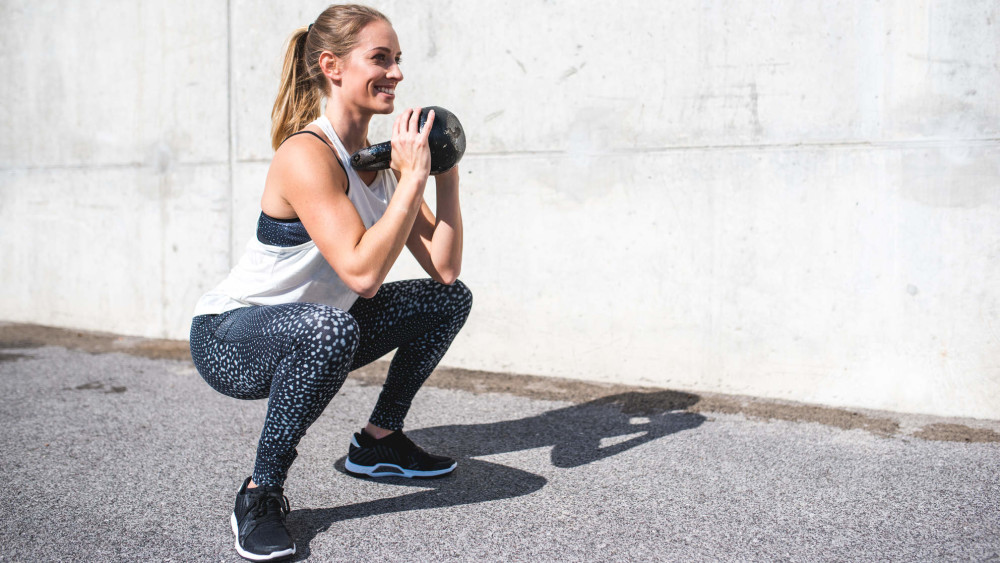
Squat, because no one raps about little butts

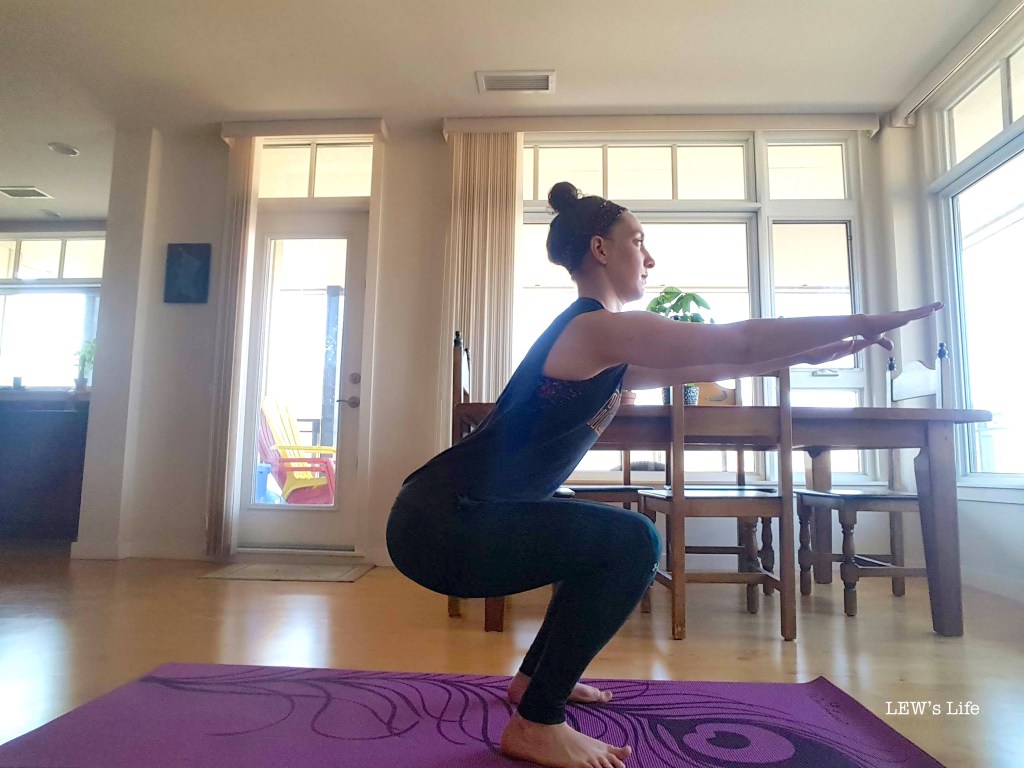
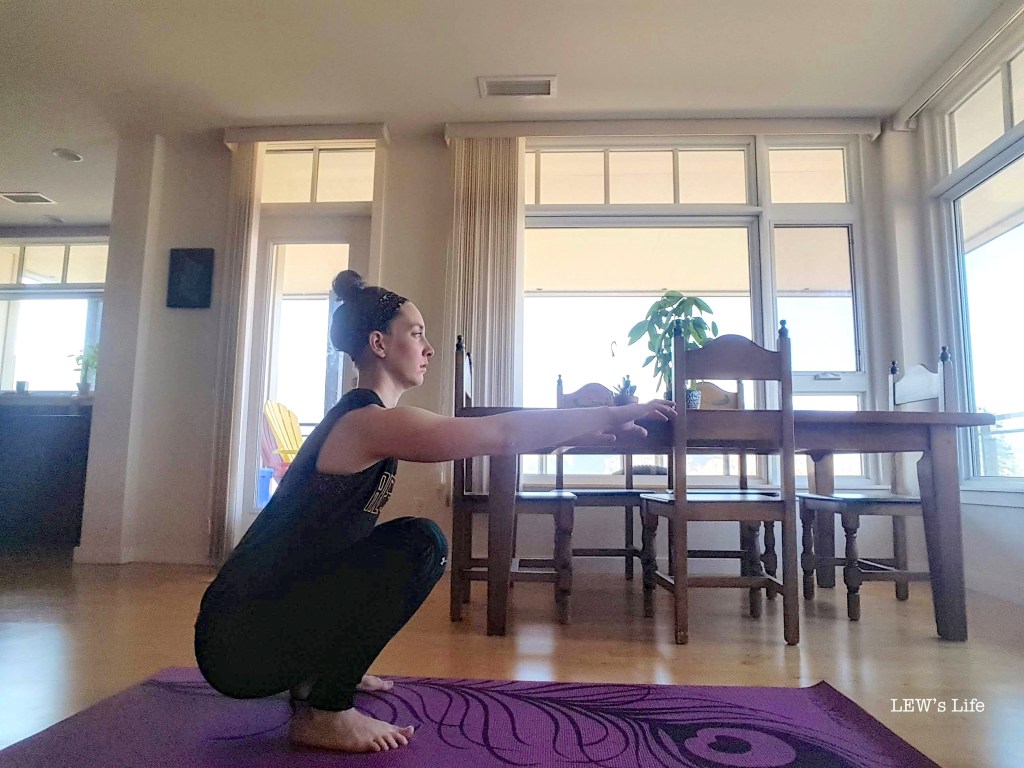
This month’s exercise is a squat. This is a fantastic all around full body exercise that is very functional for everyday life. Have I convinced you yet to give it a try?

Targets: quadriceps. Also incorporates: gluteus maximus, aductor magnus, soleus, hamstrings, gastrocnemius, erector spinae, rectus abdominis, obliques.

How To: Squat down by bending your hips back, as if you are sitting in a chair, while allowing knees to bend forward being sure to not extend them too far past the toes, keeping your back straight and knees pointed same direction as feet (towards the 2nd and 3rd toes). Descend until thighs are just past parallel to floor. Extend knees and hips until legs are straight. Return and repeat. 

Important to keep in mind: Keep your head facing forward, back straight and feet flat on floor; equal distribution of weight throughout forefoot and heel. Knees should point same direction as feet throughout movement. Core engaged, shoulders back and down with chin tucked and squeeze your glutes on the way back up. Once you add a bar, DO NOT place the bar on the back of your neck, be sure it is placed on the top of your shoulders (feel for the ‘shelf’).

What do I do with my hands? Well, this depends on how you are doing the squat.

If you are doing a body weight squat, you can put them out in front of you or cross your arms over your chest. If you are doing the exercise with a dowel or the squat bar, place the dowel behind you placed on your shoulders, NOT your neck, and have your hands equally on both sides holding the bar in place.

Once you start to become a natural at this exercise then you can start switching it up by changing how and where you hold the squat bar (i.e. front squat vs. back squat), you can bring in different gym equipment like a barbell or kettlebell, or change the positioning of your feet and legs. There is just so much you can do, isn’t it so exciting?!

This is a great all around exercise to become comfortable and familiar with. Give it a try today with your body weight alone, then add in a dowel, and finally progress to a squat bar as your biomechanics improve.


You’re everthing I ‘avo’ wanted

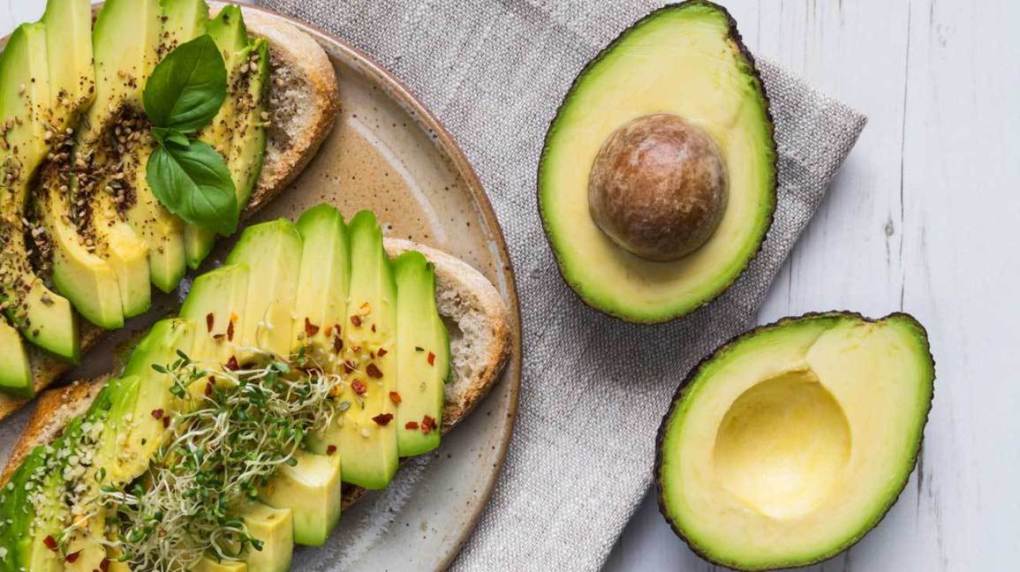
Avocados

Some quick fun facts about this amazing fruit:

  • Avocados are a heart-healthy, nutrient-dense superfood and are loaded with monounsaturated fatty acids
  • They contain good fats and are naturally sodium, sugar and cholesterol-free
  • Avocados have dietary fibre. Fun fact, fibre is very important for overall gut health
  • They contain more potassium then bananas
  • The healthy fat content found in them may help you absorb nutrients from plant foods
  • They are loaded with antioxidants that can protect your eyes
  • An avocado MAY help with preventing cancer
  • Avocado extract MAY help to relieve symptoms of arthritis
  • Eating this amazing fruit MAY help to shed some weight

In a 100g serving of avocado, there is 160 calories, 2 grams of protein and 15 grams of healthy fats. It contains 9 grams of carbs, and 7 of those are fibre.

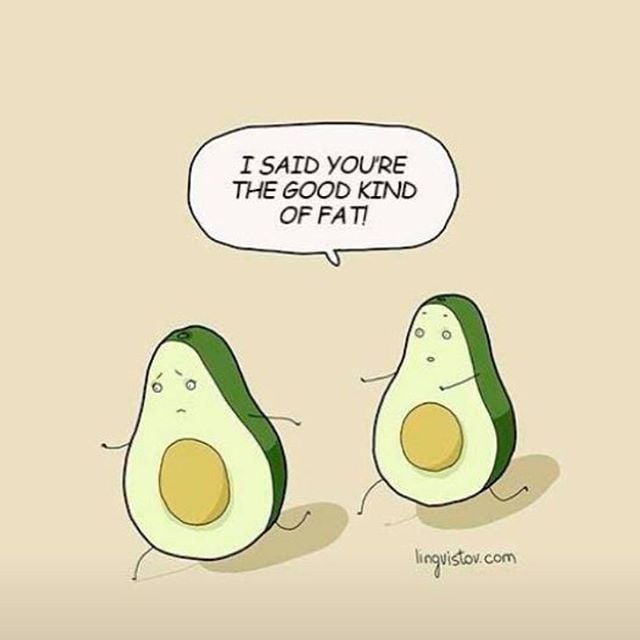
All in all, this is an amazing source of nutrients and it is delicious to boot! So give one a try before it is too late…get it? Maybe this photo will help you:

Please Keep This Disclaimer in Mind:

This article is for educational purposes only and is not intended to diagnose, treat, cure or prevent diseases. We cannot provide medical advice or specific advice on products related to treatments of a disease or illness. You must consult with your professional health care provider before starting any diet changes, exercise or supplementation program, and before taking, varying the dosage of or ceasing to take any medication.


Athletic Therapy vs. Physiotherapy: Is there a difference?

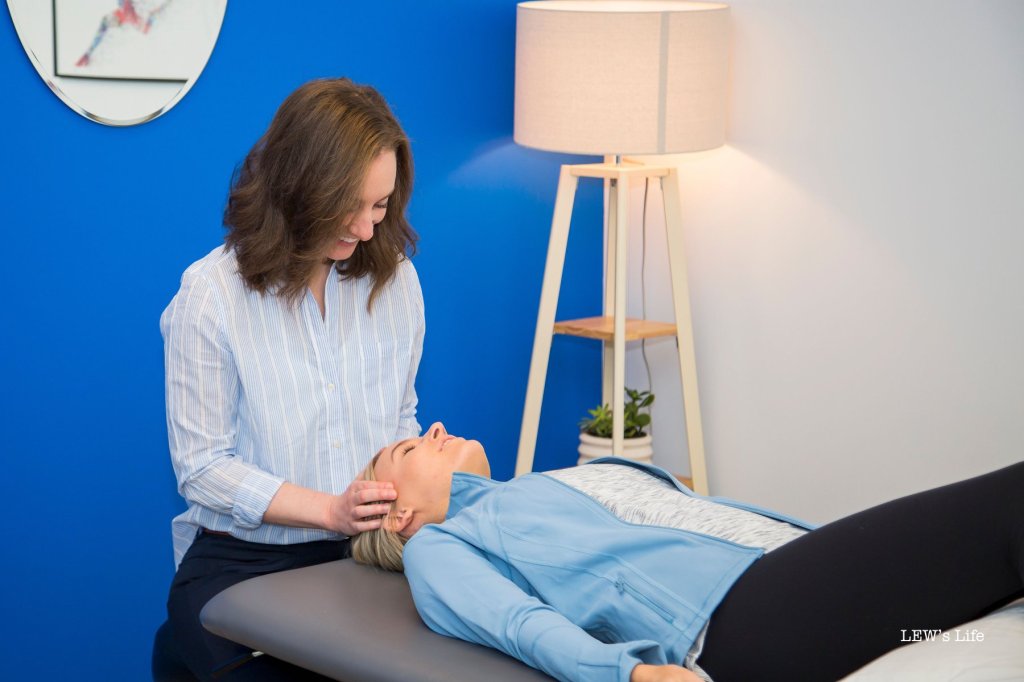
In the world of healthcare professionals, it can get confusing as to what each one specializes in and what kind of treatment you may receive from them. The two most common distinct healthcare professions that are confused with each other are Athletic Therapy and Physiotherapy. Both are trained in musculoskeletal rehabilitation and assessment, and have a few differences.

Athletic therapists are focused solely on musculoskeletal disorders and injuries, and can be found working in a clinic setting or with a team. Meanwhile, physiotherapists have a wider scope of practice which encompasses neurological and cardiovascular health issues as well as musculoskeletal, and can be found working both the hospital setting and in outpatient clinics. Both professions will complete a thorough assessment of your injury, and provide education, complete manual therapy techniques and provide therapeutic exercises for you to complete at home. They will help manage both acute and chronic injuries, all the while maintaining a high professional standard of care for all of their patients.

You do not need a referral from a doctor to see either an AT or physio, however you should always check with your extended healthcare provider to see if you are covered, as different providers cover different therapies.

Shared skills and knowledge of each profession:Shared treatment approaches of each profession:
1) Assessment and diagnosis of injuries
2) Treat sport injuries, work injuries, MVA’s, and life injuries
3) Rehabilitation and exercise programs are included with the treatment plan of all injuries
4) Educate patients in management of acute and chronic injuries
1) Soft tissue manipulation and joint mobilizations
2) Preventative taping and
Electrotherapy training (NMES, TENS, IFC, ultrasound, heat and ice, etc)
3) Exercise prescription (strength, flexibility, mobility, and proprioception)
4) Biomechanics analysis
5) Patient Education

Athletic Therapy

Athletic Therapists are experts in musculoskeletal disorders and injuries. This is accomplished after a highly demanding 4 year program, at an applicable university, to achieve a degree of Bachelor of Applied Health Sciences. This program focuses primarily on rehabilitation, assessment, prevention and restoring of the musculoskeletal system through maintaining and maximizing the bodies movement to relieve pain and increase your quality of life. Following this program there is an intense national certification exam of a written and practical that must be passed in order to work in Canada as a Certified Athletic Therapist. They are typically found working in a clinical setting or with a sports team in a field setting providing emergency care.

It is very common to have the name give a false representation of who they can treat. They do specialize in athletes as the name provides, but they are also trained in MVA’s (motor vehicle accidents), work injuries (the industrial athlete), post-operation, and everyday aches and pains.

The regulating body of the profession is the Canadian Athletic Therapists Association (CATA) and each province across Canada has a provincial chapter as well.

The definition of the profession provided by the national association is as follows:

“Certified Athletic Therapists are best known for their quick-thinking on-field emergency care of professional and elite athletes. The first to respond when someone gets hurt, they are experts at injury assessment and rehabilitation. It’s that same mix of on-site care and active rehabilitation skills that makes Athletic Therapists so effective in treating the musculoskeletal (muscles, bones, and joints) injuries of all Canadians, whether on the field or in the clinic.

Athletic therapists adhere to the Sports Medicine Model of care. They treat a wide range of patients, from kids with concussions to seniors recovering from hip replacement surgery, using various manual therapies, modalities, exercise prescription and even bracing and taping. The treatment varies but the objective doesn’t: an Athletic Therapist’s goal is to help clients return to their usual activities, whether that means playing competitive sports or walking to the mailbox and back.”

More information can be found on their website: https://athletictherapy.org/en.

Physiotherapy

Physiotherapists help restore movement and function when someone is affected by injury, illness or disability. They accomplish this through movement and exercise, manual therapy, and patient education. Physiotherapist’s in Canada complete a 4 year undergrad and then proceed into a 2 year masters of Physiotherapy, followed by an intense certification exam. Their formal education focuses on the study of neurology, cardiorespiratory and orthopaedics.

They are typically found working in private clinics, hospitals, retirement residences and child development centres. Physiotherapists in Canada work with clients of all ages and with a wide range of health conditions. Physiotherapists tend to specialize in a certain area of practice, which can include working with patients who have had strokes or other neurological injuries, paediatrics, women’s health, oncology rehab, in intensive care units and other inpatient settings as well as common musculoskeletal injuries.

The definition of Physiotherapy from the Canadian Physiotherapy Association:

“The heart of the physiotherapy profession is understanding how and why movement and function take place. Physiotherapists are highly skilled and autonomous health professionals who provide safe, quality client-centred physiotherapy through a commitment to service availability, accessibility and excellence. The profession is shaped by scientific evidence and the education and competencies of the physiotherapists delivering the services. Physiotherapy is grounded in the belief that, to be effective, its services must respond to the changing needs of populations and our health system.”

More information can be found at their website: https://physiotherapy.ca/description-physiotherapy. Here you can find a document on the detailed description of Physiotherapy.

Summary

With a few small differences in the two professions, both are a great resource for injury prevention, treatment and education. The largest difference is the scope of practice of a physiotherapist includes cardiovascular and neurological training along with the ability to pierce the skin through extra training in IMS (intermuscular stimulation) and acupuncture, which is not included in the scope of practice of an Athletic Therapist. However, both are experts in helping you recover from your injuries and getting you back to doing what you love!


Part 1: The beginning of a positive lifestyle change

“I was assigned this mountain to show others it can be moved.”

This is a progression of photos of me over the years. 2013: I was 24 in this photo and just a few months away from graduating from a very intense program at school, probably around 120-130lbs, pale, blackened eyes, stressed and thin hair. 2016: 27 years old, 155lbs and 3 months into what I did not know was an autoimmune response in my body. 2018: exactly one year after diagnosis, healthy and looking better then I have in years and feeling fantastic.

Just over two years ago, at the age of 27, I was diagnosed with Celiac Disease through a blood test. Six months before that I became extremely ill after a trauma from an accidental hit to the face with a hockey stick. Don’t get me wrong, now that I know about this, I realize I actually have had symptoms my whole life but just thought of them as my “normal.” 

Growing up I remember having frequent ear infection after ear infection and I do remember a lot of arguments over taking this artificial banana tasting medicine, which really wasn’t the best. As a fun fact, I have now been informed that repetitive ear infections in a kid can be a sign of a food allergy or intolerance. Now keep in mind, it is not always associated with food allergies and can be due to a virus or bacteria and can be a serious medical condition that needs to be looked at right away as it can lead to hearing loss or the infection spreading.

Along with ear infections, I had knee pain and other joint pain, seemed to get the stomach flu quite a bit, when I was 17 I had my first go at gastritis (which I now realize this may have been an autoimmune flare up because I also had another trauma; to my knee this time; and it occurred around the first time I had gastritis) and again another time 5 years later in the Dominican Republic (May 2012). I could never seem to get my iron up no matter how much red meat and iron supplements I took (this was before I realized you could get iron from vegetables and fruit as well) and I was always anemic (I now realize this was most likely due to malabsorption in my small intestine). 

Want to know something super ironic? I worked in a bakery for 7 years, yup, a full on gluten infested, flour in the air, bakery. This is when I really started getting symptoms; shocking, I know. 

This is my hand recently with Dermatitis Herpetiformis.

Symptoms such as: shortness of breath, anxiety, menstrual problems (infrequent, heavy, light, painful, PMS, etc), clustered blistering bubbles all over my hands (Dermatitis herpetiformis), hair falling out, nails always breaking and nail beds always peeling, painful acne spots on my face and buttocks, red bumps on my upper arms, mouth ulcers, stomach sickness, difficulty concentrating and I was ALWAYS hungry; I literally could out eat all of my friends in school. It was very difficult for me to gain any weight, I remember my family doctor telling me I needed to be around 140lbs for my height and I was always around 115-120lbs (I’m not complaining and I was really active but it was just weird eating as much as I did and not gaining any weight). My hair dresser always pointed out to me that I was loosing a lot of hair at my appointments and mentioned a handful of times that I had psoriasis on my scalp. I do remember having flaky chunks of skin come off my scalp in my finger nails when I would scratch my head.

Jan 2017, just a few days after diagnosis (super inflamed gut), to Feb 2017, just one month after. The difference after one month of being gluten free was huge. Also, take note of how messy my room was, this just goes to show how awful my mental state was at the time. I had no motivation and just did not care.

Before the trauma occurred, I was sluggish, gaining weight (I was around 150-155lbs, which could have been muscle), unmotivated, bloated, my hair was thin, and I was tired. After the hockey stick trauma in 2016, I did not know what was going on with me, I became very mentally and physically ill. It started with really low energy which I thought was from lack of sleep because my sleep pattern went from sleeping well to falling asleep fine but waking up all night. I had maybe 2-3 hours of sleep a night, which resulted in me nodding off in the middle of the day. Concentration and thinking was a struggle, my brain was in a fog all day and everyday. I started to experience becoming sick with the common cold at least once a month, which turned into a sinus infection which I was put on one dose of antibiotics for and soon after got my first ever yeast infection. PMS was HORRIBLE, I had headaches that later turned into migraines, cramps, bloating, and nausea. I had the Dermatitis herpetiformis (DH) rash on my hands blistered and cracked open with sores all over my fingers. I had a mental hit as I was depressed and mentally fatigued, quite literally crying 2-5 times a day over what seemed like nothing.

The last month before I finally went to get help (6 months after the trauma), I had migraines which I have never had before in my life, really sharp pains in my gut, and what got me going to see a doctor was my mouth bleeding every time I brushed my teeth and huge bleeding oral cankers as I know this can be a sign of malnutrition.

The stubborn human I am, it took me 6 months of being sick to finally consult a doctor. The first doctor I saw told me to go back on birth control…yup. Talk about negligence, keeping in mind he was a walk in doctor that was extremely tired but that is absolutely no excuse. Knowing what I do now, he let me walk out of his office after less then 5 minutes of talking, close to being hospitalized. Thankfully I knew better and threw out the prescription paper as I was leaving the office and the next day I went to another walk in and met the incredible doctor that I now proudly call my family doctor. She spent what felt like 30-40 minutes with me and listened to my entire story and all of my symptoms for the last 6 months. Palpated my abdomen and sent me on my way for a blood test looking into multiple conditions.

Fifteen minutes after this appointment (about 3pm), I was in another building having my blood taken. This is when I really knew something was wrong as they were having trouble finding my veins and getting blood from them. The nurses had to go to both arms to try and get enough blood for the tests.

9am sharp the next morning, when the walk in clinic opened, I received a phone call telling me my blood results have come back and I needed to go in to speak to a doctor immediately. This of course, got my heart racing. Getting my blood results back this quickly had me thinking I had a serious health condition. The doctor sat down and told me I had Celiac Disease and I was extremely anemic. To test for celiac disease they test for a tTG result in the blood (IgA antibody level) and this level should be less then 12. Mine was over 300, and the iron/ferritin level was 3.4 when it should be between 40-200. 

I left that doctors office surprisingly relieved and felt as though the bag of bricks I was carrying around had been lifted off my shoulders. I went home and immediately spent hours researching celiac disease and the more I read, the more my life made sense.

If you are in a position of not feeling well, or knowing something is just not right, do not give up – your answer is around the corner.

Next week will be Part 2 of my story, three years after diagnosis.
With love, be kind to yourself,

LEW xxx

Please Keep This Disclaimer in Mind:

This article is for educational purposes only and is not intended to diagnose, treat, cure or prevent diseases. We cannot provide medical advice or specific advice on products related to treatments of a disease or illness. You must consult with your professional health care provider before starting any diet changes, exercise or supplementation program, and before taking, varying the dosage of or ceasing to take any medication.