We have all been there, too busy, tired or have more important things to do than to exercise.
I’m going to be giving you some tough love, because I’ve had to recently do this for myself.
There is ALWAYS time to exercise in life. One of three things is usually the culprit of why exercise does not happen in our lives.
Priorities. Everything we do in life is about priorities, and priorities dictate the way our life moves. If you do not prioritize exercise and training, you will not do it because there are so many other things and distractions that will get in our way instead. So, work today on how you are going to prioritize exercise and movement.
Time Management. Telling yourself that you do not have time to exercise is 99% of the time not true. You do have time, but your time management is poor. Have you ever looked at your screen time and how much of your day you are on your phone? I bet you may be spending most of your day on your phone looking at instagram, TikTock or some other mindless distraction when you could be spending that time moving and exercising. Instead, put your phone down and stretch, strengthen, work on your mobility or flexibility for 20-30 min. Want to watch your favourite show? Okay no problem, but while you are watching it, roll out a mat and exercise WHILE you watch it. Another idea, if you can, get to bed earlier and wake up earlier before your busy day gets started and exercise. Time management is everything, it gives us the freedom to do the things we love.
Excuses. We have all used excuses in the past and some even in the present, you may be using one right this second. As mentioned above, excuses can be valid and true at times, but they really are not serving you. You have this thing that is very valid, but it serves no purpose in your life. So what you need to do is get rid of your excuses, get them out of your life. Because once you start doing this you will all of a sudden find more time to do more things. Excuses are just justifications to make ourselves feel better.
Think of this equation the next time you want to skip out on exercise:
make exercise a priority + work on your time management skills = less excuses
If you work on making exercise a priority (in any shape or form of activity), and you work on improving your time management skills and MAKE the time for it in the week, then you will not have any excuses left to get it done. Start with 2 times a week for 5-10 min, believe me when I say, your body will thank you. And you may find out that you really like exercise. In fact, it may turn into love one day.
Now, this is not to say that if you have been working hard and training all week that taking a day off to rest is bad. IT IS NECESSARY. In fact, you should have at least 2 rest days a week if you are training or being active 3-5 days out of the week. I’m saying this for the people like myself that has not been consistently active. 5-10 min is all you need to stretch, strengthen or mobilize. Set a timer and get the thing done.
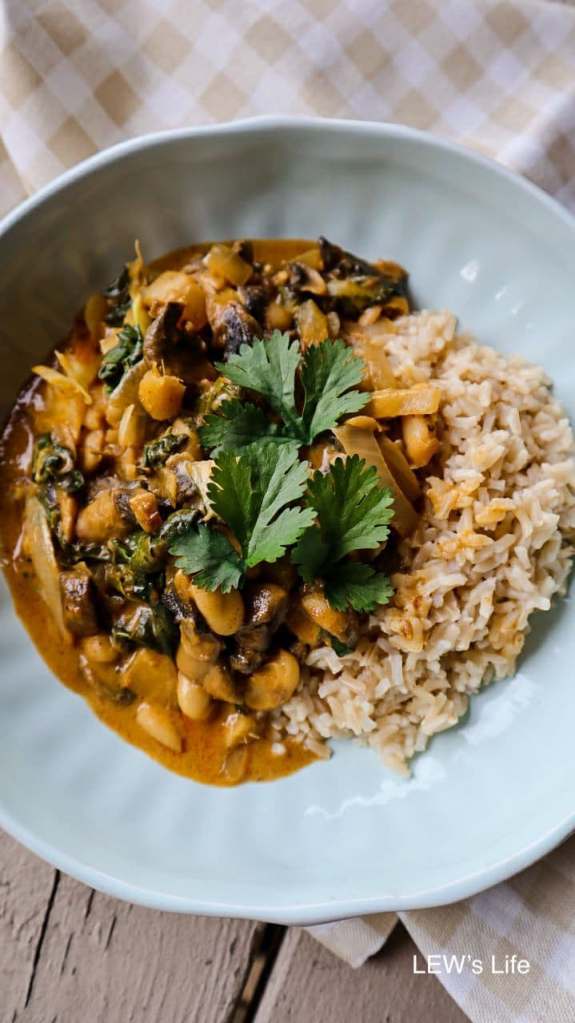
Looking for a quick and easy curry to make that tastes almost like a massaman curry? This is for you!
Ingredients
2 TBS Olive Oil 2 tsp Cumin Seeds 2 tsp Coriander Seeds 1 tsp Tumeric 1 tsp Coconut Sugar 1 TBS Almond Butter 2 tsp Red Thai Curry Paste 3 Garlic Cloves 1 Onion (medium sized) 1 Thumb Size Piece of Ginger 8-10 Button Mushrooms 4 small Bok Choy 1 x 400ml can Coconut Milk 1 x 540ml can White Kidney Beans 1/2 cup Vegetable Broth Salt and Pepper to taste 1 cup Brown Rice
Directions
Start cooking your rice as per instructions on the package.
Put the olive oil into the pot and turn your stove top to medium heat.
Once the pot is warm, add all of the spices including: cumin, coriander, and tumeric. Once the cumin and coriander seeds start to pop, add in the onion, garlic, ginger and coconut sugar.
Let the ingredients cook until the onions become translucent. Once this happens add in the almond butter and red Thai curry paste. Cook for 3 more minutes.
Now add in the chopped up mushrooms and bok choy. Cook for another 3-5 min.
Add the coconut milk, kidney beans and vegetable broth and cook on high until it starts to boil.
Once the curry has started to boil, turn the heat off and add to cooked rice of choice.
Suggestions: as with any cooking, add a bit of salt with every step to help with increasing the flavour of the dish.
If you give this one a try, please do leave a comment below and let me know what you think!
This mousse is fantastic on a cake or eaten on it’s own. Made with simple ingredients and this one is made keto style.
Ingredients:
3 Avocado 2×1/4 Cup Cacao Powder 4 TBS Toasted Coconut Milk or any plant based milk 1 tsp Vanilla Extract 8-10 TBS Monk Fruit (add more if you want it sweeter) Pinch of Salt
Directions:
Place all ingredients into a food processor and blend until smooth.
If you do not have a food processor, use a bowl and fork to smash the avocado and ingredients together.
Taste for sweetness preference, then enjoy!
Be sure to keep it refriderated.
Use this recipe as a quick snack or dessert, or pair it with a chocolate cake like this one.
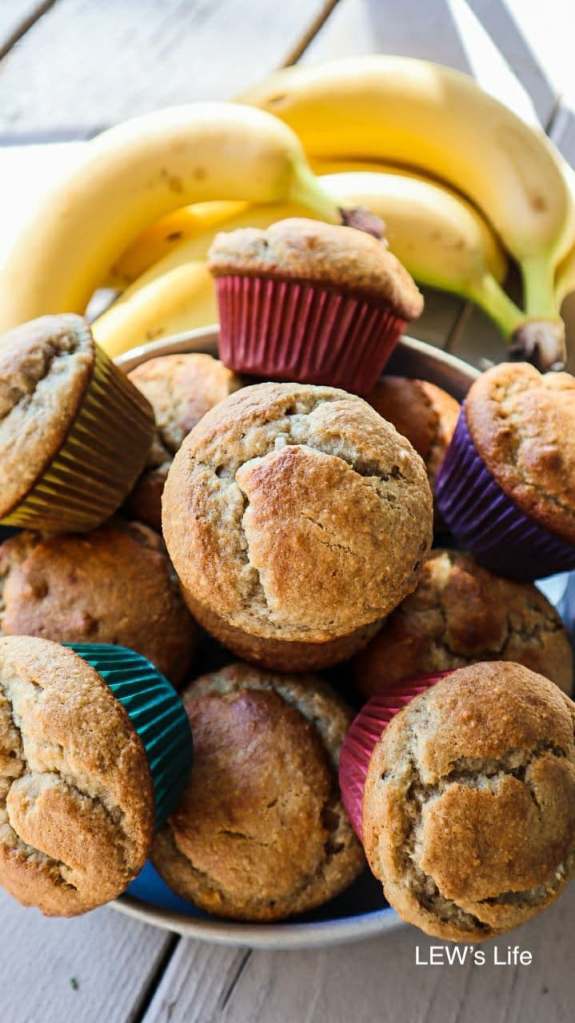
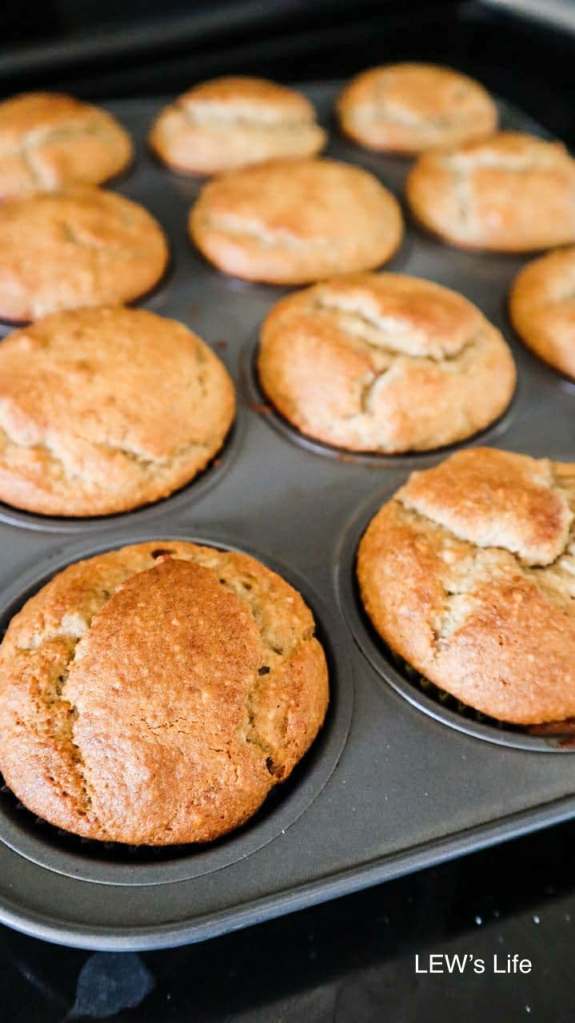
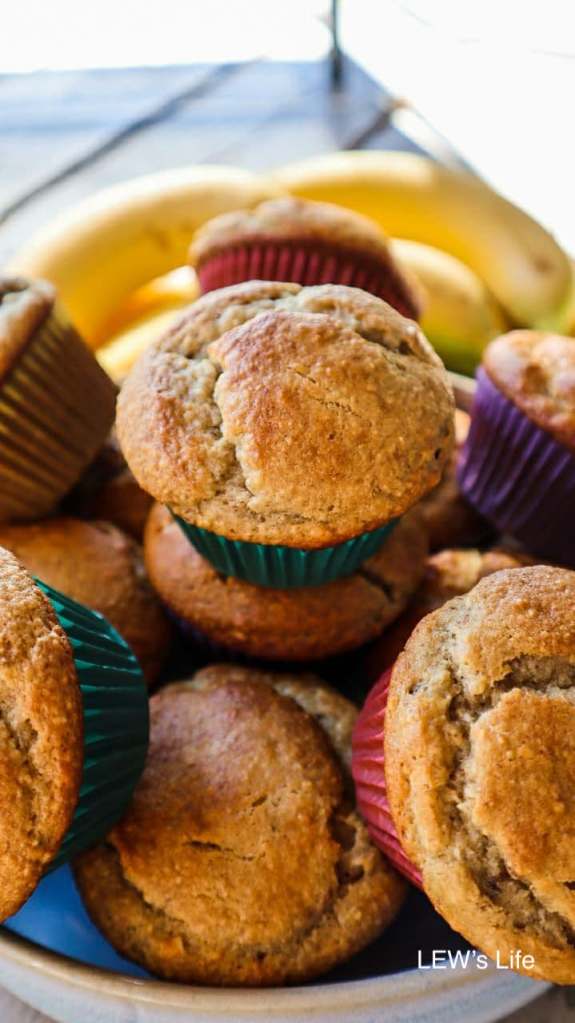
You won’t regret making these muffins, they remind me of my mum’s banana muffins. Believe me when I say, that is something to be proud of.
Ingredients
1 cup 1 to 1 Bob’s Redmill Gluten Free Flour 1 cup Almond Flour 1/2 cup Cane Sugar 1 tsp Baking Soda 1 tsp Baking Powder 4 Bananas (browner the better) 2 Eggs 1/2 cup Olive Oil or Oil of Choice 1/4 cup Walnuts 1/4 cup Unsweetened Coconut Flakes
Directions:
Preheat oven to 350F.
In your food processor or bowl, add in all the dry ingredients that include: gluten free flour, almond flour, cane sugar, baking soda, baking powder. Mix until smooth.
Next into your food processor add in your bananas, eggs, and olive oil. Now mix the wet ingredients with the dry ingredients until smooth and there are no lumps.
Add in your walnuts and coconut and pulse the food processor.
Put 2-3 tbs of mixture into each of your muffin tins (I used large muffin tins). This recipe makes 12 muffins.
Place it into the oven for 20 min or until the muffins are golden brown and a toothpick or knife comes out of the middle of one without any batter on it.
Let the muffins cool, and enjoy!
Let me know in the comments below if you give this recipe a try!
It was a friend of mines birthday recently and she is currently following the keto diet, so I had given myself a challenge to come up with a keto friendly chocolate cake recipe. I have to say, it’s pretty darn good. I hope you enjoy it too!
Ingredients
1 1/2 cup Almond Flour 1/4 cup Cacoa Powder 2 tsp Baking Powder 1/4 tsp Xanthan Gum 1/4 cup Monk Fruit – Add more if you want it sweeter Handful of Cacoa Nibs A Pinch of Salt 1/3 cup Milk of Choice – I used Almond Milk 3 Eggs 1 tsp Vanilla Extract
Directions
Preheat the oven to 350oF.
Place all dry ingredients into a bowl and mix them together. The dry ingredients include: almond flour, cacoa powder, baking powder, xantham gum, salt, cacoa nibs and monk fruit into the bowl.
Place all wet ingredients into a bowl and mix them together. The wet ingredients include: almond milk, eggs, and vanilla extract.
Now mix in the wet ingredients with the dry and mix them together until well combined and there are no clumps.
Place the cake batter into a parchment paper lined tin or a greased tin. I used a loaf tin for mine.
Bake in the oven for 20-30 min, each oven cooks differently. After 20 min, take the cake out of the oven and place a knife or toothpick in the middle to check if it is fully cooked through. If there is still cake batter on the knife or toothpick when you take it out – it’s not ready and needs to go back in for more time.
When it is ready, take it out of the oven and let it cool completely before cutting or placing icing on the cake. This is very important, so be patient, it will be worth the wait. I used an avocado mousse on this cake which I will be uploading the recipe soon to this blog.
Enjoy the cake for a birthday, another celebration or just as a treat because we all deserve cake :).
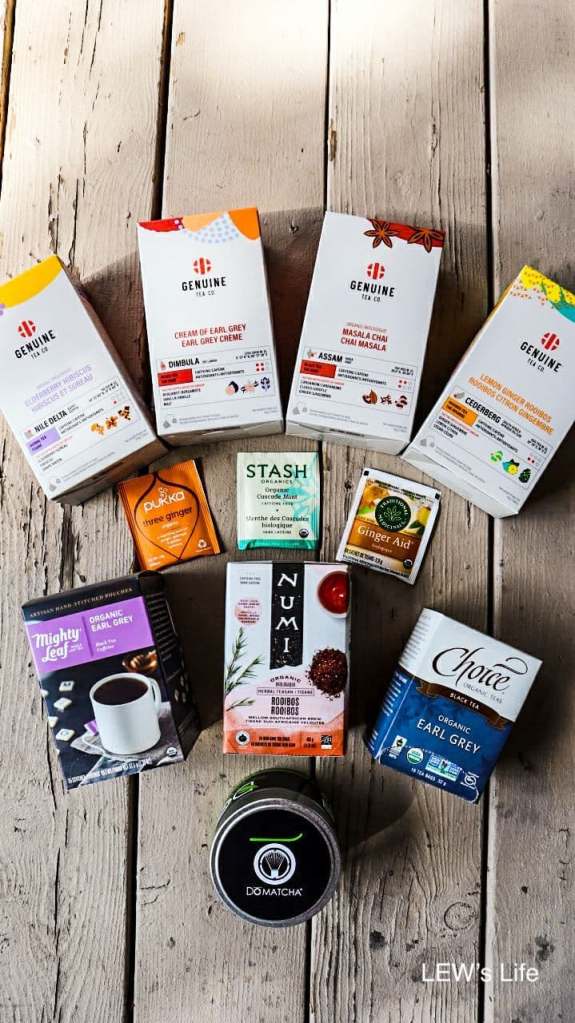
As a continuation from last week’s post of what can make tea not gluten free, here are some companies I have contacted to find out if they are 100% gluten free or not. As a disclaimer, I was not sponsored by any of the companies in this blog post.
First, let’s start with the companies that cannot make any claims that their tea is safe for someone with celiac disease. As a disclaimer, do your own research into all of the companies listed if you need to in order to feel more comfortable. The information below is the replies I received from the individual companies. I asked if they can 100% guarantee that their tea is gluten free within the ingredients AND the facility they are made in. Every person with celiac or non-celiac gluten sensitivity has different comfort levels when it comes to ordering out or buying processed products.
The tea companies that potentially have gluten – Sip at your own risk
Starbucks–Teavana
This company uses Teavana tea, which used to be a solo store franchise but back in 2017 Starbucks closed all locations. Since then you can still purchase certain select Teavana tea’s at Starbucks store locations and when you order a tea from the barista it is from Teavana. Starbucks cannot 100% guarantee the tea or tea lattes made in house are 100% gluten free. They also did not mention if their tea bags are sealed with wheat paste. This is the reply I received from Starbucks:
“Please note that Starbucks locations cannot guarantee a gluten-free environment due to the possibility of cross-contamination. Products made with no gluten-containing ingredients does not mean the item is gluten-free. It means the item was not made with any ingredients derived from wheat, rye, barley, or oats, but may contain gluten due to the risk of cross contact.”
As mentioned in my last post, gluten can be hidden ingredients like ‘flavourings,’ which most of the teas from Teavana have included. If it contains or may contain any gluten or wheat ingredients this has to be stated on the packaging by law. So be sure to read the labels before you consume your tasty drink and be aware that possible cross contamination can occur in house as the baristas do not typically do a deep clean of the machinery before making any of your drinks. You can also ask to read the ingredients before you order as well. I personally did this with their hot chocolate mix and the bag stated that it may contain gluten, so I personally passed on the mocha. However, if you are in dire need of a warm drink, getting a tea bag and hot water may be a safe option.
I was a bit disappointed with Tim Hortons customer service as the only answer I received was a link to the ‘Nutrition and Wellness’ section of their website which is not very detailed. Therefore, I am going to presume they will be similar to Starbucks where they cannot 100% guarantee their tea and drinks will be gluten free due to cross contamination in the facility it is being made. The boxes of the tea does not state anything about gluten or ‘may contain.’ However, some of the teas do have flavourings added and as mentioned above if it contains wheat or gluten it must be stated in the ingredients. As for if the tea bags are sealed with wheat paste, I did not get an answer so I cannot say ‘yay or nay’ for sure. As always, do your own due diligence and contact the companies yourself to be sure you are comfortable with consuming their tea products at the restaurants or in the individual boxes you can purchase at select stores and in Tim Hortons locations.
This was one of my favourite cafe’s to go into for a tea latte. Unfortunately, this will be no longer as they cannot guarantee no gluten cross contamination. Here was their response:
“Sorry for the delay in getting back to you Lauren, we just wanted to do our due diligence on this as we can understand it is a sensitive case. Our teas are gluten free however, we’re unable to guarantee that there will be no gluten traces as the production facility they are put together in may contain other gluten products. Our stores also do serve gluten products so there may be some cross contamination that can occur. I’m sorry that it seems we cannot accommodate your particular needs but we will make note of this as feedback for us to take into consideration as we move forward with new products and store openings.”
So as unfortunate as it is, at least they will be taking it into consideration for future reference.
I have always loved the tea but also the great customer service from David’s Tea. The representative responded to my email as so:
“Although most of our teas do not contain gluten, they are not produced in dedicated gluten-free facilities. There is always a risk of cross-contamination with all our teas.
At this time we suggest that all people with severe allergies avoid consuming our products. Even though there may not be allergens in a particular tea blend, there is always a chance that somewhere along the line they may have come in contact with potential allergens as our producers do not have allergen-free facilities.“
They did mention that the chances of their ‘straight teas’ coming into contact with gluten is very low, however, they do not regularly test their products for allergens. If you feel comfortable with those odds, have at ‘er!
Similar to other companies, Lipton cannot guarantee their products are gluten free at this time.
Many Unilever products are produced using ingredients which naturally do not contain gluten. However, at this time we have not validated that our suppliers can guarantee the elimination of any potential cross-contamination risks from other materials within their production facility which may contain gluten or from shared equipment. Unilever products labeled as gluten-free contain gluten-free ingredients and no cross-contact of ingredients during processing. We apologize we cannot be of more assistance.
Therefore, if you are to buy a Lipton tea product, look for a ‘gluten free’ label. If this label is not on the product, make your own judgement if you are comfortable with trying the tea or not.
This company unfortunately does not test for any traces of gluten and therefore cannot guarantee their products to be gluten free. As stated by the companies reply:
Unfortunately we do not test for gluten. Because Tazo products and ingredients are not tested for gluten content, we are unable to say that they are gluten-free.
The response of this one did make me a bit sad as this is a tea company from my hometown, regardless of allergens, it is bloody good tea.
Thanks for reaching out. Unfortunately I cannot guarantee that our teas are 100% Gluten Free. Although many of the teas do not contain any known traces of gluten, they are not manufactured in a 100% certified gluten free facility.
He did say that there are no ‘known’ traces of gluten, however this does not mean the tea is 100% gluten free as they do not actively test for any traces of allergens including gluten at this time. I’m keeping my fingers crossed they may change their minds and start testing their products in the near future.
The tea companies listed below are not tested or can say that their tea is 100% gluten free, however they do have strict measures in place to decrease the likelihood of any gluten in their tea products.
Traditional Medicinals
This company does not actively test for gluten, but they do have allergen policies that they follow as stated below:
Thanks for reaching out to us. While we don’t make any gluten-free label claims and don’t actively test our products for gluten, we take precautions to prevent gluten cross-contamination. All of our ingredients – including the tea bags and packaging – are naturally gluten-free and we do not process/use gluten ingredients in our supplement manufacturing facility. In order to prevent cross-contamination before the herbs enter our facility, we actively maintain allergen policies with all of our suppliers.
As they do take precautions to prevent gluten cross contamination, you may be comfortable consuming their products. If you are not, look for teas that have gluten free written on the label or the certified gluten free symbol on the product’s box.
This one is a bit of a tricky one. They can confirm that their suppliers ingredients are gluten free, but they cannot guarantee because they do not test the products themselves for any traces of gluten.
Thank you for taking the time to contact us. We do not test our teas for the presence of gluten, nor do we certify them as gluten free. We have collected statements from our ingredient suppliers stating that all ingredients we purchase are gluten free. Therefore, to the best of our knowledge all of our teas are gluten free. However, we cannot guarantee that our teas are gluten free due to not testing them ourselves, at this time. Our tea bag products do not directly come into contact with gluten-producing production equipment, but are manufactured in a facility that also processes wheat-containing products. We do have an allergen control program in place to minimize any risk of cross contamination. Our loose leaf tea production facility is allergen-free from the eight major US allergens: milk, eggs, fish, crustacean shellfish, tree nuts, peanuts, wheat or soybeans.
I personally, as a celiac, have never had and issue with consuming Stash tea. However, they cannot fully guarantee their products are gluten free as they do not test the products themselves. Therefore, I had to put this company in the ‘may not be’ gluten free section of this blog but if you are comfortable with the response above, their tea is delicious. I do make sure I only buy their tea that does not have any questionable ingredients such as added flavouring.
This one was a bit tricky, but here we are representing another Canadian company on the gluten free list. Their suppliers cannot 100% guarantee their tea’s are gluten free due to how it is handled in the facility. However! The company themselves do have specific measures in place, and has mentioned that their flavourings are even gluten free. Read the following reply for the full response:
Thanks for your message. Unfortunately, none of our suppliers offer a 100% gluten-free guarantee. They don’t want to take the risk that somebody down the line has a sandwich before handling your tea and causes cross-contamination. That being said, they have very stringent measures in place. Even the flavours that are being used, don’t contain gluten. If you really want to be on the safe side, only purchase teas and herbs that are pure, without any flavours.
As mentioned in the paragraph above, if you are concerned about any gluten contamination, you can opt for their plain teas without any flavourings. But if you are really concerned and do not want to take the risk, go for the companies on this gluten free list that can 100% guarantee that their teas are all gluten free.
They replied with a very detailed email explaining their protocols with the processing and labeling of their teas. I have shortened it a bit as follows:
We do not have lists of products that are specifically considered to be gluten free. Reading the label is the best way to check for the presence of ingredients which contain gluten. If gluten is a major ingredient, it will be specified in the ingredient list. For consumers concerned about the presence of trace amounts of gluten, we suggest avoiding products that include oats, natural flavors or spices.
Hain Celestial Group products that make a gluten-free claim are declared as such by utilizing the a triangular Gluten-Free symbol, by carrying the Gluten-Free Certification Organization (GFCO) Seal, or stating “gluten free” on packaging.
In addition to meeting the FDA’s standard for ‘Gluten Free’ of less than 20 parts per million of gluten, all of our gluten free products are formulated without the presence of any gluten containing ingredients. All manufacturing facilities for Hain Celestial’s products employ good manufacturing processes and procedures to prevent allergen cross-contact. Each facility has established rigid allergen control programs that include staff training, segregation of allergen containing ingredients, production scheduling, and thorough cleaning and sanitation. These allergen and sanitation programs are verified by our Quality Assurance department.
Therefore, read the labels of their teas and look for ones that are labeled ‘gluten free’ or have the gluten free symbol on them.
The tea companies listed below are 100% positively, no questions asked gluten free.
Yorkshire Tea
Their response was very short and sweet and right to the point:
We can confirm that all our Yorkshire Teas are Gluten free.
I asked if all loose leaf and bagged tea was gluten free, so I am assuming this means the tea bags, tea leaves, flavourings and the facility is all free of gluten. If you need more confirmation, please contact the company.
This company can 100% guarantee their tea’s are for sure gluten free.
None of our teas contain gluten.
We obtain allergen declarations for all ingredients and any factory we use them in and for any co-manufactured product. Suppliers must disclose whether the products contain any allergens and whether there is any risk of cross-contamination from other ingredients or products that our teas may come into contact with.
If the supplier answers yes to this second question and cannot guarantee that cross-contamination can be avoided, then we would include a “may contain” warning on pack.
Based on these declarations, if the product does not have a “contains” or “may contain” statement on pack, then it does not contain an allergen. Such pack warnings would also be bolded so they’re easy to see.
As always, be sure to read the labels of the products you are buying to look out for any gluten containing ingredients or ‘contain’ or ‘may contain’ statements on the package.
This company does not permit any of the top allergens into their facilities. Therefore, you will know while you are sipping on your great cuppa, that your belly will be free of not just gluten but other allergens as well. As the company stated in their reply:
Twinings does not permit the presence of any of the allergens that require declaring under allergen labeling regulations. • Gluten • Egg • Milk (except for Chai Latte & French Vanilla Chai Latte K-Cups®) • Crustacean • Fish • Mollusc • Nuts • Sesame seeds • Soy • Mustard • Celery • Sulphur dioxide • Lupin • Wheat • Coconut (Except for our Comfort blend) Therefore all our teas and infusions are free from those components and their derivatives.
Representing another amazing Canadian tea company that I personally am obsessed with. They originate out of my home city of Toronto, and even though I may be biased, I can genuinely (pun intended!) can confirm that this may be some of the best tea you get your hands on. This is not a sponsored blog post at all, however I wanted to give this company a shout out on my gluten free list of teas as they are 100% gluten free! The best part about purchasing from this company as well is 1% of all proceeds will be donated to the Canadian Mental Health Association (CMHA), how amazing is that! I originally contacted this company through Instagram to find out about the possibility of cross contamination of gluten in their teas. Their response is as follows:
All of our teas are 100% gluten free, no trace of gluten or cross contamination. The taste notes listed on the packages are simply notes regarding the flavour and those ingredients are not actually in the tea.
There are ‘tasting notes’ listed on the front of their packaging, and one of the ingredients can be malt. As we learned in my last post, malt can sometimes be a sneaky ingredient for hidden gluten. But rest assured, in this case it is just what the tea ‘tastes’ like and does not actually contain those ingredients. I would highly recommend giving this tea company a try!
This is another fantastic gluten free tea company. The certified gluten free symbol is on their boxes so you can be assured that their teas are all 100% gluten free and celiac safe! Not to mention that their teas are absolutely delicious as well. Be sure to read the labels and look for the certified gluten free symbol on the boxes when you purchase to be sure that at the time you buy them the company has continued to certify their products.
Yet another great tea company choice (again, pun intended). Their teas are flavourful and are gluten free! Therefore, you can be assured that their teas are all 100% gluten free. Be sure to read the labels and look for the certified gluten free symbol on the boxes when you purchase as the company seems to have moved their processing facility, read the response below:
All our teas and packaging materials are still gluten free. Our East West Tea facility, where Choice Organics teas are now being produced, is a brand new LEED certified building and is gluten free. However, given that East West Tea Company has not gone through the process to obtain official gluten free certification, our products are not labeled as such.
Even though their new packaging does not have the certified symbol on it anymore, they have ensured that their teas and packaging materials are all still gluten free, as mentioned above.
I drink this tea every single day, and it is absolutely lovely. The company has ensured that all ingredients and the facility that the tea’s are made in are all 100% gluten free.
Thank you for contacting us! Numi Tea’s, across the board, are safe from all of the most common known allergens:
milk, eggs, peanuts, tree nuts, fish, shellfish, wheat, soybeans, gluten
Our teas do not contain these ingredients and are processed in facilities that are free from these ingredients.
Their company also gives back to the community, “Your purchase helps fight global warming, reduce plastic waste, and provide fair wages and opportunities for tea farmers around the world.” It is nice to know a portion of the proceeds of your purchase will be going to some good in the world.
This is a fantastic tea company, I would highly recommend!
If you want an incredibly smooth and delicious matcha, this is the one! I spoke with the company over Instagram about their gluten free policies:
Yes our teas are gluten free. Only green tea is processed in our facilities.
I was never a fan of matcha before, but this company has made me fall in love with it. It is an absolute bonus that their teas are 100% gluten free. The quality of their matcha is one of the best in my opinion. As mentioned on their website, “DōMatcha® is 100% authentic Japanese stone-ground green tea, directly from Kagoshima and Uji, Kyoto where Japanese matcha originated, and most premium matcha is produced today. Our supplier is based in Uji, Kyoto and has been in the tea business for 300 years. DōMatcha® is partnered with the famous 16th-generation Japanese tea master Kazunori Handa-san, whose family’s knowledge and expertise has been handed down generation after generation for over 400 years. We are very grateful and continuously excited to work with such illustrious Japanese experts to bring superior matcha to North American and international markets.”
I would highly recommend this matcha for your gluten free enjoyment!
I am still waiting a response from the company at this time and will update the blog post once I do get a response. However, on the companies website they have a ‘frequently asked’ section which talks about gluten in their products:
“All Pukka teas are free from gluten containing ingredients. However, we want to point out that Night Time and Relax contain oat straw flowering tops. Although the analytical tests undertaken on these teas show that gluten is absent, consumers who are extremely sensitive may want to check the suitability of oat straw further for related gluten allergies like avenin.”
I do really like that they brought in the awareness to oat in some of their products as some individuals with celiac disease may react to the protein avenin found in oats. I’ll write a blog post more on this subject at a later time. I personally drink their teas and have never had an issue with them, but I do steer clear of the ones with oats in them.
If you are a lover of tea but have celiac disease or non-celiac gluten sensitivity, be sure to do your research into the teas you are consuming on a regular basis to see if there are any potential cross contamination risks of gluten. Whichever your comfort level of cross contamination, be sure to read the labels of the products you are buying to look for any gluten containing ingredients or ‘may contain’ statements. Continue to sip and be happy!
If you have any other tea companies you would like me to look into regarding gluten contamination, please feel free to write them in the comments below 🙂
Please Keep This Disclaimer in Mind:
Articles are for educational purposes only and are not intended to diagnose, treat, cure or prevent diseases. We cannot and do not provide medical advice or specific advice on products related to treatments of a disease or illness.
You must not rely on the information on our website as an alternative to medical advice from your doctor or other professional healthcare providers.
You should never delay seeking medical advice, disregard medical advice or discontinue medical treatment because of information on our website.
It is your responsibility to consult with your professional health care providers before starting any diet changes, exercise or supplementation program, and before taking; varying the dosage and / or ceasing to take any medication.
We do not collect any personal information or store cookies. You can turn off cookies on your web browsers.
Of all the places that gluten can be hiding, would you expect tea? Me neither! This is one area I did not look into as a celiac, and I am very sure this was one of the products I was consuming daily that had me cross contaminated with gluten.
What is gluten?
Gluten is a protein found in wheat, barley, rye and sometimes oats. Hidden sources of gluten can have substantial consequences for anyone suffering from celiac disease (also spelt coeliac disease) and non-celiac gluten sensitivity (also known as gluten intolerance). Even just one grain of gluten can provoke gastrointestinal symptoms, fatigue, joint pain, migraines or headaches, brain fog and a long list of other health symptoms. Doing regular ingredient list checks and asking for preparation details at restaurants can help to limit any cross contamination of gluten.
Tea leaves have gluten?
Camellia Sinensis plant
So what’s the deal with tea and gluten contamination? Well, first things first – Most teas come from the leaves off of the Camellia Sinensis plant. This plant is naturally gluten free, it is when added flavourings and other ingredients are added that can put this food source off of the gluten free list.
Most flavourings used contain barley seeds such as Boricha which is a type of Korean tea. Any teas that are ‘malted’ may contain gluten as malt is commonly made from barley. Fun fact, the FDA labeling laws does not declare barely, rye and malt as allergens on labels here in Canada and the USA. On top of that, anything containing “flavouring” in the ingredient list can also be a hidden source of gluten. Be sure to contact the manufacturing company to be sure the flavouring does not contain any hidden gluten ingredients like barley malt. However, if the flavouring does contain wheat, this has to be declared on the label as per the Food Allergen Consumer Protection Act (FALCPA). Therefore, be sure to ALWAYS read the labels of anything you are buying from the store, especially if it is not labeled “gluten free” or have a certified gluten free symbol on the packaging.
Herbal teas may contain flavourings or other ingredients and grains containing gluten. Matcha tea which is a ground up green tea, can sometimes have wheat added as a filler. As mentioned before, start a regular practice of ALWAYS checking the labels of foods you want to purchase to see if it is containing any hidden gluten.
What’s the deal with tea bags?
You may have heard that tea bags can potentially contain hidden sources of gluten, unfortunately, that would be correct. Some tea bags can be sealed with a paste that is made with wheat. Therefore, if you like to use tea bags, I would contact the tea company and ask how the tea bags are sealed. Another option, is switching to using loose leaf tea and having a tea filter for steeping, but make sure there are no gluten containing ingredients in the loose leaf tea.
Can cross contamination happen with tea?
It most certainly can, cross-contamination is a common cause of gluten contamination in tea. This can start a the factories they are processed at. If an ingredient with gluten was on the line before the tea you will be consuming it could potentially transfer over into the tea. Another common place of cross-contamination with tea is at the cafe or at home. If the server, a friend or family member at the cafe or even at home uses the same spoon or container that was just used for something with gluten and uses it in your tea, this can potentially transfer gluten into your tea as well. To avoid this from happening, do not share your cups, tea filters and spoons with someone who is not gluten free. Also, be sure the equipment you use to prepare and drink your tea is completely clean.
What tea is gluten free?
After all of that, you may be thinking there are no teas left that are safe for someone with celiac disease and gluten free. However! The good news, there are plenty of options. Sticking to teas made from simple ingredients, such as black, oolong, green, and rooibos tea are all naturally gluten free, so long as they do not have any other added ingredients as mentioned above. Also, using loose leaf tea will take away the possibility of gluten in the tea bags. It is also in my opinion, a better quality and more flavourful tea. On top of that, using a loose leaf tea will help to decrease the environmental waste of the tea bags. Here is a chart to make things a bit more simple in deciding about what tea to get:
Naturally Gluten-Free
May Contain Gluten
Contains Gluten
Pure black tea
Flavored tea
Barley seed tea
Pure green tea
Chai tea
Boricha tea (Korean tea)
Pure white tea
Herbal tea
Malted tea
Pure oolong tea
Matcha tea
Pure puerh tea
Sprouted seed tea
Pure rooibos tea
All in all, tea is a great beverage to be enjoyed. Follow what was mentioned above and you should be good to go to have a great gluten free cuppa!
If you are curious what tea companies contain and do not contain gluten? Click here for the full post.
Signing off until next time,
LEW xxx 🙂
Please Keep This Disclaimer in Mind:
Articles are for educational purposes only and are not intended to diagnose, treat, cure or prevent diseases. We cannot and do not provide medical advice or specific advice on products related to treatments of a disease or illness.
You must not rely on the information on our website as an alternative to medical advice from your doctor or other professional healthcare providers.
You should never delay seeking medical advice, disregard medical advice or discontinue medical treatment because of information on our website.
It is your responsibility to consult with your professional health care providers before starting any diet changes, exercise or supplementation program, and before taking; varying the dosage and / or ceasing to take any medication.
We do not collect any personal information or store cookies. You can turn off cookies on your web browsers.
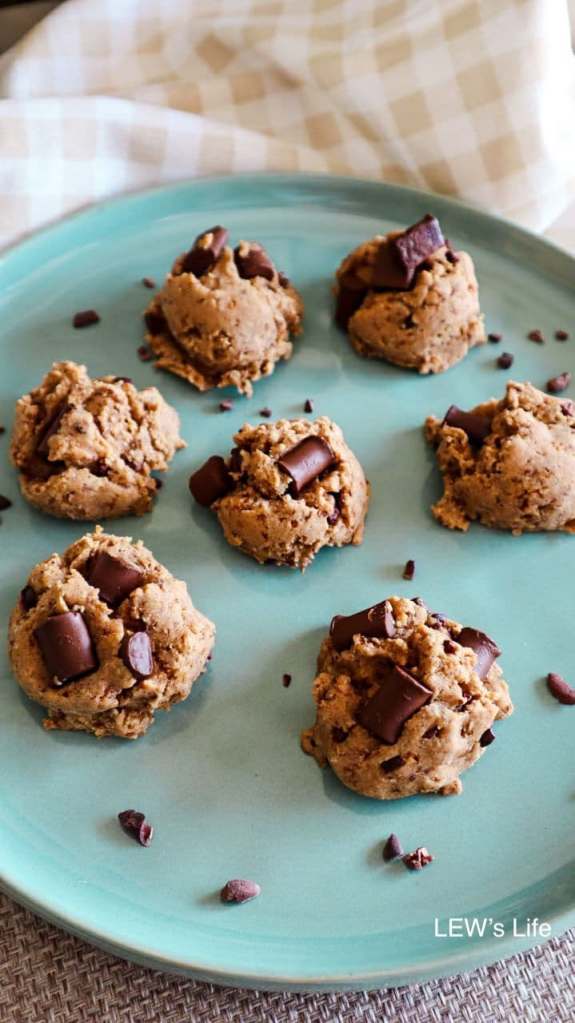
If you are looking for a chocolate chip cookie that is fantastic with your milk of choice, these are for you! The cocao nibs give these soft cookies a nice little crunch for your taste buds.
Ingredients:
1 Cup gluten free self raising flour 3/4 Cup almond flour 1 tsp cinnamon 1/4 Cup of sucanat, cane sugar, or coconut sugar (use 1/2 cup of sugar if you prefer your cookies being sweeter) 2 flax eggs – 2 Tbsp of ground flax seeds mixed with 6 Tbsp of water 1/4 Cup melted vegan butter (I used Melt) 1 Tbsp macadamia milk or other vegan milk of choice 1/2 cup choc chips (I used Enjoy Life chunks) 1 Tbsp cocao nibs
Directions:
In a bowl, mix together all dry ingredients: gluten free self raising flour, almond flour, cinnamon, and sucanat.
In a separate bowl, mix together all wet ingredients: flax eggs, vegan butter, and dairy free milk.
Now combine wet ingredients to the dry ingredients and mix until you get a cookie dough consistency.
Add in the chocolate chips and cocao nibs, and mix again until all combined.
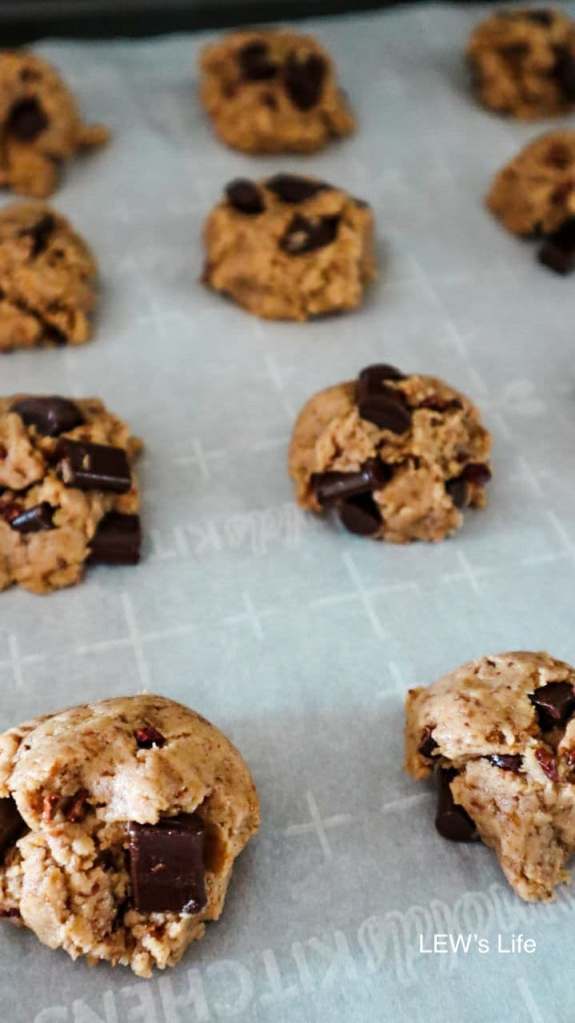
Use a tablespoon and scoop up the batter. You can roll the batter in your hands then place it on the cookie sheet and pat it down or scoop the batter out of the tablespoon and place right onto the cookie sheet.
Put 12 cookies evenly apart on the cookie sheet – I did 3 across and 4 down the tray.
Bake at 350oF for 10 min or until the bottom of the cookies are golden brown.
BAKING TIP: Cookies will continue cooking for a little while after they are out of the oven, if you want a softer cookie take them out when the bottom of the cookies are just turning golden. If you want a crunchier cookie, take them out when the top of the cookies are just turning golden brown.
This will be my third time trying to find a way to type out what I’d like to say and include in this post. But considering I have not posted anything on this blog since September, I may be a bit rusty. Let’s just say, I have had a lot going on in the last few months that I needed to take a step back to collect my thoughts.
Over the last year since starting this blog, I have been having an ongoing struggle and mind battle of if anyone would want to hear what I have to say or write about, and in turn, this has deflated my confidence. What started all of this was honestly the engagement levels on all of my platforms, or lack there of I should say. Instagram’s forever changing algorithm has not only deflated my confidence but many other’s as well, like a blown up duck in a bathtub with an alligator. I was noticing my engagement going from amazing numbers to absolutely nothing in the matter of weeks, and I had changed nothing about my content or posting schedule. I feel I can go on and on about this, so I may save this for a blog post on it’s own. Long story short, I found myself lost in counting the numbers instead of trying to get information out into the world to help someone. This was the moment I knew I needed to take a step back from social media. So what have I been doing since September and why am I starting to write again you may ask? Well, let’s just say I have had some health conditions along with some “a-ha” moments that have encouraged me to step outside of my comfort levels and give this a go again.
As you may know from following me on instagram, YouTube or this blog, you will know I just passed my 4 year anniversary of being diagnosed with celiac disease. To this day, I am continuing to heal my gut from the damages of the disease in my small intestine. I will have symptoms pop up here and there but they are starting to not be as frequent (unless I get cross contaminated again). Some of the on going symptoms that I seem to be having is a faint sharp pain in my upper right abdomen and acid reflux, but not the burning kind, it is the annoying something is stuck in your throat all the time acid reflux. This seems to be triggered with certain foods I eat and what kind of stress I am under. What foods are those? I have a small idea but I’m not 100% sure. There are some smaller symptoms but those two are the most irritating at the moment. Back in September, I knew the answer to having a clear mind was to heal my gut so I could think straight about everything else. Therefore, this has been a top priority for me not just in the last 4 years but will be ongoing into my future as well.
Next, I have had old injuries come back with a vengeance. For the last 2-3 years, I have gone from working out 5 days a week to very quickly and drastically dropping to zero days a week (excluding a few hikes and hockey games once in a while). I did this truly because I had no energy from my body trying to heal my gut and have my body not be in an autoimmune flare 24/7. The last few months I have been focusing more on my body’s strength, mobility and flexibility equally. After all, I am a Certified Athletic Therapist and should probably start taking my own advice at some point. However, something I have taken a notice to, is I will feel better both gut and body wise but I’ll head to the gym and go through a program that I used to do on a regular basis and I’ll be knocked out sore and tired for 1-2 weeks after. In the last few months I have been constructing a treatment plan for myself to slowly get back to what I was able to accomplish in the past but better than before. This is something that I am excited to use myself as an experiment and share with you the findings and outcomes. I’d like to bring you along the journey to maybe spark some inspiration in yourself or someone you know who may be feeling the same way.
Back in September 2020 I decided to start working with a lovely woman by the name of Stella. She has been helping me organize my thoughts and what I’d like to work towards into the coming future. With her I have discovered that I would like to move my practice over to a more active caseload rather than all hands on treatment. The reason for this, is not only because my body is hurting from being a manual therapist but also because I know deep down that they real way to get people pain free is by teaching them how to move their bodies correctly. Having an equal balance of mobility, flexibility, pliability and strength is very important to maintaining a healthy body. I have been also going back and forth in my head about going back to school or not. I am feeling very grounded with the decision to not go back to school at this time and instead improve my treatment techniques at the clinic and start putting focus into this blog.
Stella and I have put together a purpose statement for myself, “I teach people how to care for their bodies through the science of movement, mindfulness and nutrition. With this blog, I plan to do just that.
Now, with that being said, I am going to be starting to make consistent weekly posts onto this blog. I’ll be writing and sharing my experience as a celiac and what I’ve learned, information on athletic therapy and the human body, health and wellness, exercises and fitness, lifestyle tips, and some of my own gluten free recipes that I have made and would love to share with you all. I may even throw in some random plant facts in there as well, because we all know how much I love my house plants. Basically I will be sharing everything I love to spend my time learning about and my journey back to being better than I was before my diagnosis of celiac disease.
Follow along and share this with anyone who may be interested, and I’ll see you here once a week. Until my next blog post, have the best week!
Here are two ways to progress both the dead bug and glute bridge exercises
1) Dead bug: place one end of a band around the arch of your foot and the second end in the fist of your hand. Then pull the two ends apart against the resistance. IMPORTANT: be sure to engage your core throughout the entire exercise and be sure to not loose it.
2) Glute Bridge: place one band around your thighs just above your knees. Then a second band under your feet and around the top of your hips. Spread your legs a bit to engage your glutes more then lift up through your hips against the second resistance. IMPORTANT: Be sure to engage your glutes and core before you lift. Also be sure you are only lifting as high as you comfortably can without straining your neck.




























 LEW's Life